How to Choose the Right Constant Temperature and Humidity Chamber for Electronics Testing
I've been working with environmental test chambers for over fifteen years now, and if there's one thing I've learned, it's that buying a constant temperature and humidity chamber for electronics testing is not a decision to rush. I've seen startups blow their entire test lab budget on a chamber that couldn't hold humidity at low temperatures, and I've also seen massive companies save money by knowing exactly what specs mattered for their products. Let me walk you through how I'd approach this purchase if I were starting from scratch today.
Start With Your Test Standards, Not the Machine
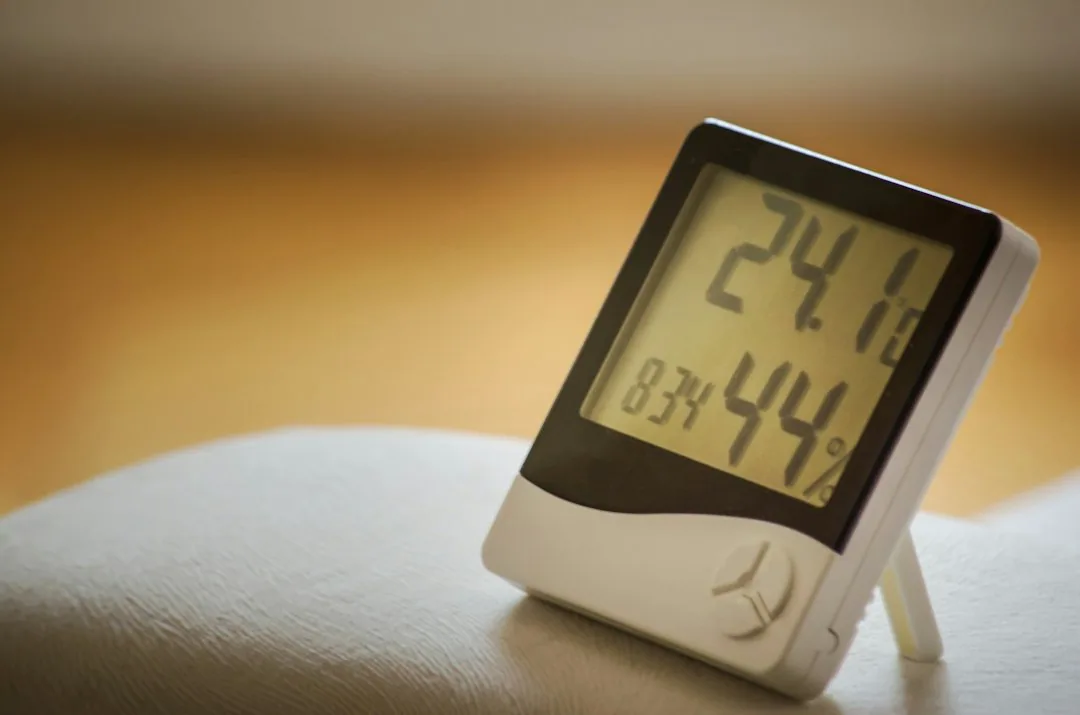
This is the mistake I see most often. Engineers get seduced by spec sheets with impressive ranges like -70°C to +180°C, when their actual test protocols never go below -40°C. Before you even talk to a supplier, pull out your test standards. For electronics, you're probably working with something like IEC 60068, MIL-STD-810, JEDEC JESD22, or IPC standards for printed circuit boards.
Write down every test you need to run for the next five years, not just the next six months. I learned this the hard way when a client of mine—a consumer electronics manufacturer—bought a chamber sized perfectly for their current product line, then landed a contract that required 85°C/85% relative humidity testing (the classic 85/85 test for semiconductor reliability) with a much larger test load. They ended up buying a second chamber within a year. Their test requirements had outgrown the unit before it was even fully depreciated.
Temperature and Humidity Range: Be Honest About What You Need
The Humidity Blind Spot
Here's something sales brochures won't tell you clearly: most chambers can't generate meaningful humidity below about 5°C or above 95°C. Why? Because at low temperatures, the air simply can't hold much moisture, and the dew point becomes a physical limitation. If your tests require humidity control at -10°C, you need a specially designed system, and that's a conversation you should have early with the manufacturer, not after delivery.
For typical electronics work, a range of -40°C to +150°C with 20% to 98% RH covers the vast majority of requirements. Thermal cycling tests, damp heat tests, and storage tests all fit comfortably in that window. Only go wider if your standards genuinely demand it.
Rate of Change Matters More Than You Think
If you're doing thermal shock simulation or rapid thermal cycling per JEDEC standards, pay close attention to the temperature ramp rate. Standard chambers typically achieve 2-5°C per minute. If your protocol calls for 10°C/min or faster, you're looking at a chamber with a bigger refrigeration system—and a significantly bigger price tag. I always tell clients: the ramp rate requirement is usually what separates a mid-range chamber from an expensive one, so nail this spec down precisely.
Size and Workspace: The Goldilocks Principle
Chamber size affects everything—price, energy consumption, lab space, and even test accuracy. My rule of thumb: your test samples should occupy no more than one-third of the workspace volume. Cram a chamber full of product and the airflow becomes uneven, humidity distribution gets patchy, and your test results become questionable.
At the same time, don't buy a 1000-liter walk-in chamber when you're testing PCB assemblies the size of a phone. For most electronics labs doing component and board-level testing, chambers in the 100 to 400-liter range hit the sweet spot. Consider whether you'll ever test complete devices or subassemblies, and factor in cable ports—you'll want at least one access port for test leads if you're powering up samples during testing, which is common for burn-in and powered humidity testing.
Controller and Data Capabilities
The controller is where you live every day, so don't treat it as an afterthought. A good controller should support programmable multi-segment profiles, since real test cycles are rarely a single setpoint held forever. Look for easy profile editing, Ethernet or USB connectivity for logging, and software that exports data in a format your quality system can digest.
If you're working under ISO 17025 or preparing for audits, data integrity features matter. Some modern chambers support 21 CFR Part 11-style electronic records and audit trails. That might sound like overkill for a small lab, but I've watched companies re-run months of tests because their data logging was too flimsy to satisfy an auditor.
Don't Ignore the Practical Stuff
Power, Water, and Drainage
Humidity chambers need a water supply—either a manual-fill tank or plumbed-in connection with distilled or deionized water. Chambers with DI water plumbed in are far more convenient for long-running 85/85 tests that can stretch to 1000 hours. Check your facility's power too: larger chambers with cascade refrigeration systems may need three-phase power, and I've seen installations delayed for months waiting on electrical upgrades that nobody budgeted for.
Uniformity and Calibration
Ask the manufacturer for documented temperature uniformity data—typically ±2°C or better across the workspace, and ±3% RH for humidity. Insist on a factory calibration certificate and plan for annual recalibration. A chamber that drifts out of spec silently will sabotage every test that runs through it.
Service and Spare Parts
This is my final piece of advice, and honestly it might be the most important one. Your chamber is a mechanical machine with compressors, heaters, and humidity systems that will eventually need service. A cheap chamber from a supplier with no local technical support can sit broken for weeks waiting on parts from overseas. Before signing anything, ask: How fast can they get a technician on-site? Are spare parts stocked locally? What does the warranty actually cover?
My Bottom Line
Choosing a constant temperature and humidity test chamber comes down to matching the machine to your actual test protocols, leaving room to grow, and buying from someone who will still answer the phone in year five. Get those three things right, and the rest is negotiation. Skip any of them, and you'll learn the lessons the same expensive way I've watched others learn them.
参考链接
- Understanding the 85°C/85% RH Damp Heat Test for Electronic Components
- IEC 60068 Environmental Testing Standards for Electronics Explained
- Thermal Cycling vs. Thermal Shock: Choosing the Right Test Method for PCBs
- How Environmental Chamber Temperature Uniformity Is Measured and Certified
- JEDEC JESD22 Reliability Test Methods for Semiconductor Devices