Best Durable Phones for Construction Workers in 2025: Rugged Picks That Survive Drops and Dust
I've spent the better part of fifteen years on job sites, and I can tell you one thing for certain: a regular smartphone doesn't last a month in this trade. I've watched a brand-new flagship slip out of a coworker's pocket on a scaffold and shatter into a spiderweb of glass before lunch break. That's why, when friends in the industry ask me what phone to buy, I always steer them toward the best rugged phones for construction work — devices built to take a beating and keep working when the dust settles. Literally.
What Actually Matters in a Rugged Phone for the Job Site
Before I get into specific models, let me explain how I evaluate these devices, because marketing specs can be misleading. The first thing I check is the MIL-STD-810H rating — that's the military standard for drop, vibration, and thermal shock resistance. If a phone doesn't have it, I don't care how "tough" the ads claim it is.
Second is IP68 and IP69K ingress protection. IP68 handles dust and water submersion, while IP69K means the phone can survive high-pressure, high-temperature water jets — useful if you're hosing off equipment or working in the rain. Third, and honestly the most underrated feature for construction workers: battery life. A phone that dies at 2 PM is useless, no matter how durable it is. I look for at least 5,000mAh, ideally more. And finally, glove-friendly touchscreens and loud speakers matter more than you'd think when you're wearing work gloves next to a running compressor.
My Top Rugged Phone Picks for 2025
1. Cat S75 — The Everyday Workhorse
The Cat S75 remains my top recommendation for most tradespeople. It's survived my own unscientific test — a drop from the bed of my pickup onto gravel, twice — without a scratch. It meets MIL-STD-810H, carries IP68 and IP69K ratings, and its 6,000mAh battery comfortably gets through a full 12-hour shift with GPS and hotspot running. The integrated FLIR thermal camera is genuinely useful too; I've used it to spot overheating electrical panels and insulation gaps. It's not the fastest phone on the market, but it does everything a job site demands.
2. Samsung Galaxy XCover7 Pro — Best for Company Fleets
If your company manages a fleet of phones, Samsung's XCover lineup is hard to beat. The XCover7 Pro brings solid mid-range performance, a replaceable battery — a feature that's nearly extinct these days but gold on site — and Samsung's Knox platform for device management. The removable back cover also means a cracked screen protector or swollen battery isn't a death sentence for the device. It's the pragmatic choice when you're equipping twenty guys, not one.
3. DOOGEE V Max Plus — Battery King
For anyone working remote sites with no charging options — think pipeline work, rural builds, or multi-day jobs — the DOOGEE V Max Plus packs a massive battery that can stretch to two or even three days of real-world use. Yes, it's bulky, and yes, it weighs about as much as a brick. But I've had guys tell me it powered their flashlight, hotspot, and navigation through an entire weekend project without seeing a charger. Sometimes bulk is the price of peace of mind.
4. Sonim XP10 — Built for Punishment
Sonim has been making ultra-rugged phones for years, and the XP10 is their most refined yet. It's engineered to survive drops onto concrete from well over a meter, and its warranty actually covers screen damage — rare in this industry. The audio is exceptionally loud, which matters when your foreman calls while you're standing next to a skid steer. If pure survivability is your priority over screen quality or camera performance, this is your phone.
5. iPhone 16 Plus With a Rugged Case — The Apple Compromise
Let's be honest: plenty of guys want to stay in the Apple ecosystem, and if your company runs iPhones for apps and communication, abandoning them isn't realistic. The good news is that a modern iPhone paired with a genuinely tough case — think OtterBox Defender or a UAG_met_Lab offering rated for 20-plus foot drops — can hold its own on many sites. It won't match a purpose-built rugged phone for extreme conditions, but for general construction work with moderate dust and occasional drops, it's a workable setup. I'd still keep it in an inside pocket around concrete pours.
A Few Lessons I've Learned the Hard Way
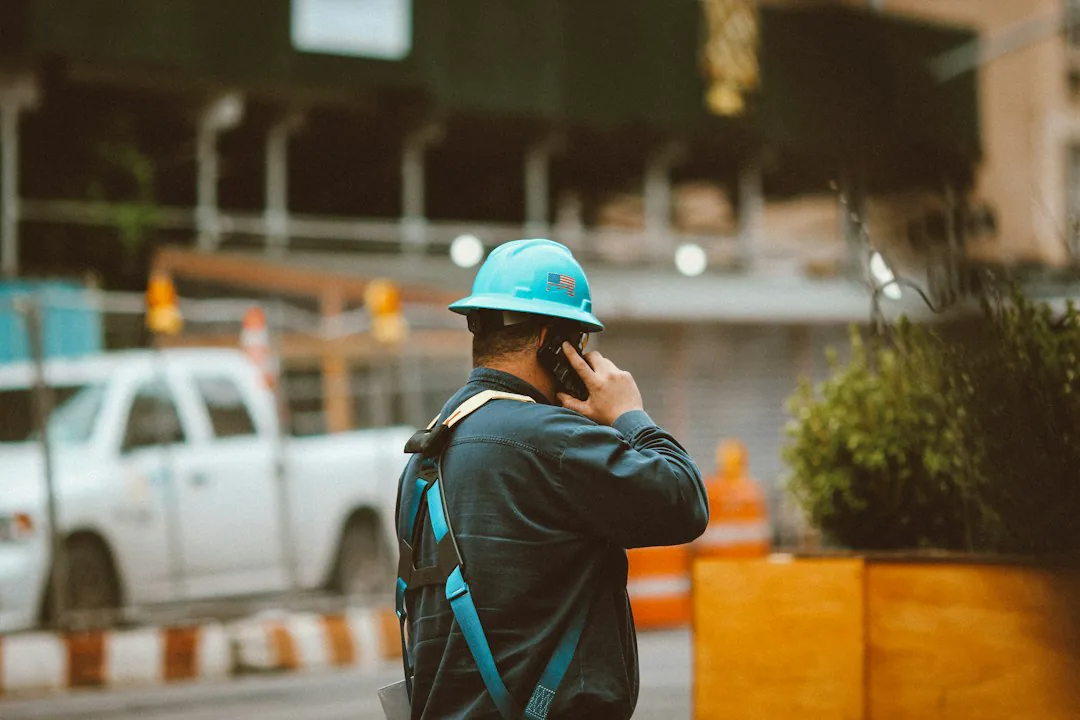
Whatever phone you choose, a couple of habits will extend its life dramatically. First, use a tempered glass screen protector even on rugged phones — screens are still the most common failure point. Second, clean the charging port regularly; fine concrete dust gets everywhere and causes connection problems long before water does. Third, avoid cheap aftermarket chargers, because power fluctuations on temporary site power can fry charging circuits.
And one more thing: check whether your carrier supports the phone's bands before buying, especially with smaller rugged brands. I learned that lesson when a DOOGEE I recommended to an apprentice had spotty reception on our regional carrier. Durability means nothing if you can't make a call from the job site.
Final Thoughts
At the end of the day, the best durable phone for construction work is the one that fits your specific trade and conditions. The Cat S75 is my all-around pick, the XCover7 Pro wins for fleet deployment, the DOOGEE handles remote endurance, and the Sonim survives almost anything you throw at it — sometimes literally. Spend the extra money up front on a proper rugged device, and you'll save yourself the cost of two or three shattered flagships down the road. Your phone is a tool. Treat it like one.
参考链接
- 2025年最佳三防手机评测:工地耐摔智能手机推荐
- MIL-STD-810H军用防护标准详解:三防手机如何通过跌落测试
- IP68与IP69K防水防尘等级区别:建筑工人选机指南
- Cat S75热成像三防手机深度使用体验
- 建筑行业移动设备管理:企业级坚固手机采购建议