Beginner Electric Guitar Under $300: Best Budget Picks for First-Time Players in 2025
I've been working in guitar shops and repairing instruments for over fifteen years now, and if I had a dollar for every parent who walked in convinced they needed to spend $800 on a first electric guitar for their kid, I'd own the shop by now. Here's the truth I tell everyone: the sub-$300 bracket in 2025 is genuinely the best it has ever been. When I started, a cheap guitar meant sharp fret ends, tuners that slipped mid-song, and electronics that crackled. Today? Some of these budget electrics embarrass guitars that cost triple the price a decade ago.
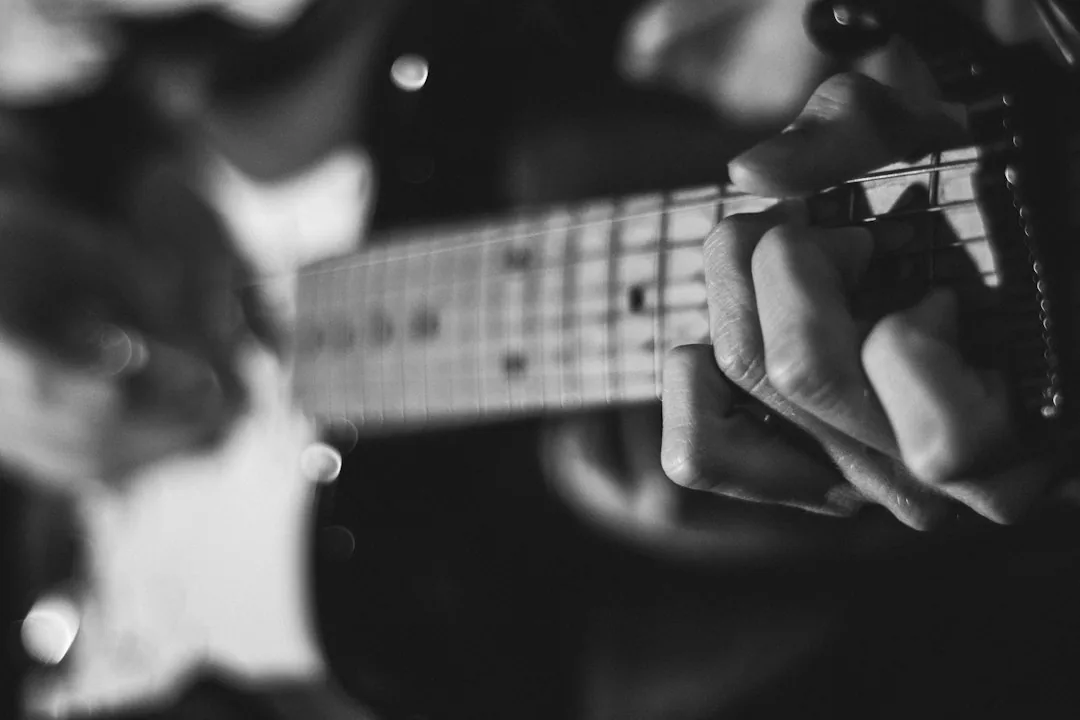
Why You Really Don't Need to Spend More Than $300
Let me get one thing straight first. The biggest killer of beginner enthusiasm isn't a cheap guitar — it's a badly set-up guitar. I've seen $1,500 guitars with action so high they could double as cheese cutters, and $199 Squiers that played like butter because someone spent twenty minutes on the setup. So when you buy any affordable electric guitar for beginners, budget a little extra (or sweet-talk the shop) for a proper setup: string height, intonation, truss rod adjustment. That $40-60 makes more difference than $300 of extra spending on the instrument itself.
The other thing to understand is what you're actually paying for above $300. Mostly cosmetics, binding, better tuners, nicer finishes. The core playability factors — neck comfort, fretwork, stable tuning — are all achievable at budget level now, thanks to CNC manufacturing. The machines don't care whether the guitar costs $200 or $2,000; they cut the same specs.
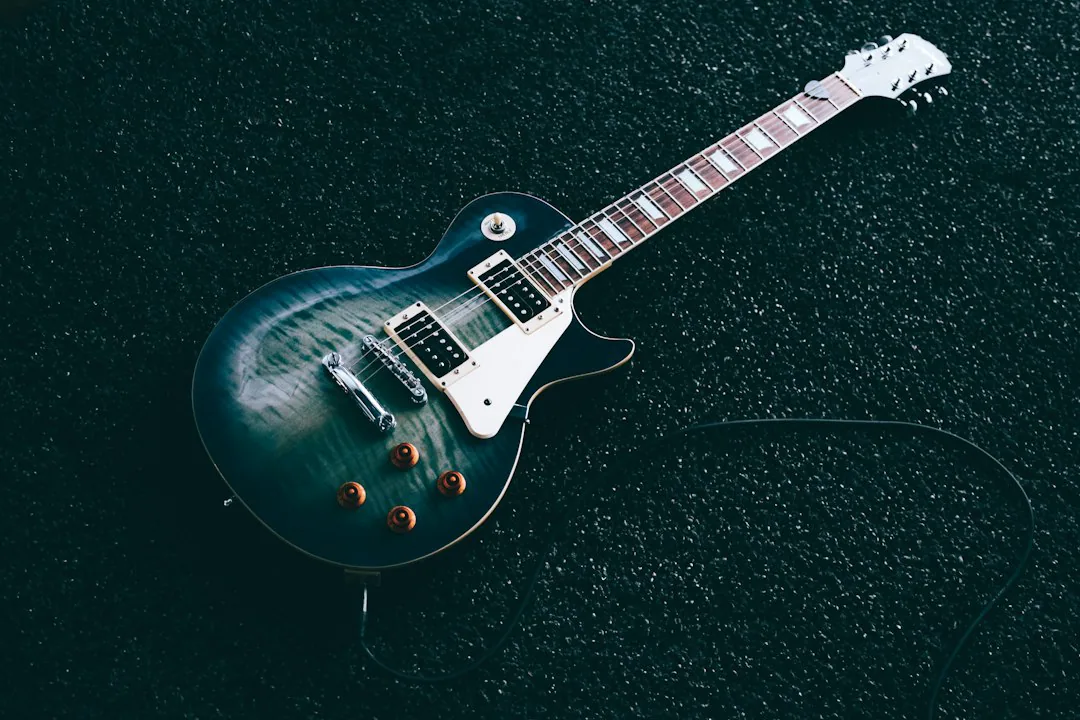
My Top Picks for 2025
1. Squier Affinity Series Stratocaster (~$230-280)
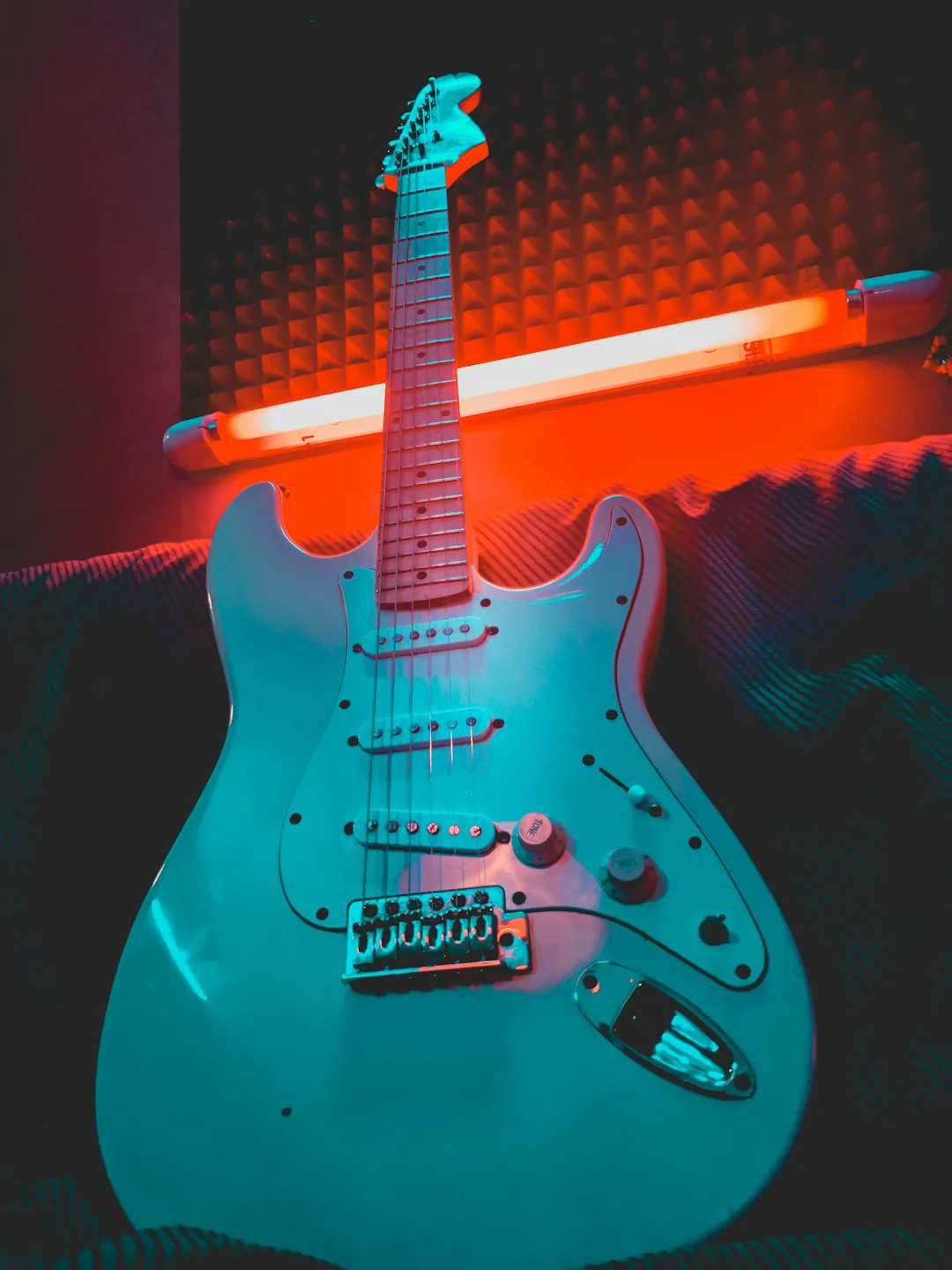
This is the one I hand to most first-timers, and honestly, I've lost count of how many Affinity Strats I've set up over the years. The current iteration has a slimmer, more comfortable neck than older versions, and the ceramic single-coils are perfectly serviceable for learning. Is it going to nail vintage Strat tones? No. Will it stay in tune through a practice session and feel good under your fingers? Absolutely. The two-point tremolo is also decent enough that you can experiment with light vibrato without the tuning chaos older budget trems caused.
2. Yamaha Pacifica 112V (~$299)
If the Squier is the safe recommendation, the Pacifica is the one I personally buy for friends' kids. Yamaha's quality control is almost boringly consistent — I rarely get a Pacifica on my bench with real problems. The 112V adds a humbucker in the bridge plus a coil-split, which gives a beginner way more tonal ground to explore. HSS configuration means you can play clean chords, then flip to the bridge 'bucker for heavier stuff. If your kid is into rock or metal, this flexibility matters more than you'd think.
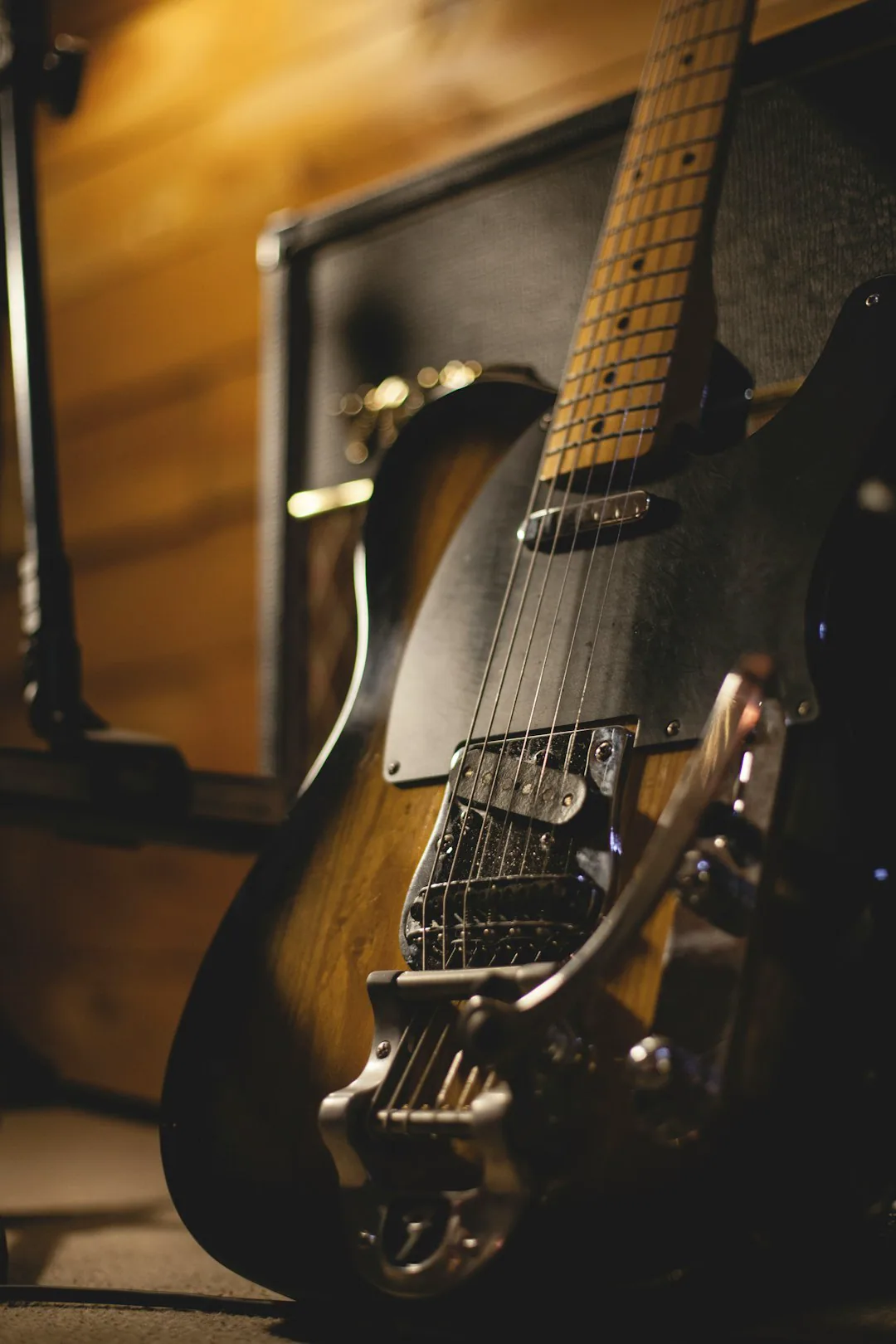
3. Epiphone Les Paul Special VE (~$199)
The "Vintage Edition" walnut body looks far more expensive than it is, and the flat neck profile suits smaller hands. The open-coil humbuckers are warm and thick — great for classic rock rhythm playing. My only caveat: these are heavier than the Strat-style options, so if the player is young or small-framed, try before buying.
4. Ibanez GRX70QA (~$249)
For the metal-leaning beginner, the GRX is the obvious call. Thin, fast wizard-style neck, HSH pickup config, and a quilted top that photographs way above its price. I've recommended this one to plenty of teenagers who wanted to learn riffs, not chords, and it keeps them engaged.
What About Amps, Cables, and All the Rest?
Here's where budgets blow up. A common trap: spending $280 on the guitar and having nothing left for amplification. Many of the guitars above come in starter bundles with a small practice amp, gig bag, cable, and picks — and for a true beginner, these cheap electric guitar packages are honestly fine. A 10-15 watt practice amp is plenty for bedroom learning. Don't let anyone upsell you to a 40-watt tube amp for a first rig.
Alternatively, a headphone amp or even a free amp-sim app on your phone can carry you through the first six months. I know pros who practice with modeling plugins exclusively. Save the amp money until you know you'll stick with it.
Mistakes I See First-Time Buyers Make
Buying online without checking return policies is the big one. Guitar quality varies unit to unit, even within the same model. Order from somewhere with easy returns, or better yet, visit a store and play three of the same model — you'll feel the difference immediately.
Second, avoid no-name brands on marketplace sites. If the price looks too good and you've never heard of the brand, the fretwork will likely punish you for it. Third, don't skip the setup. I'll say it until I retire: setup, setup, setup.
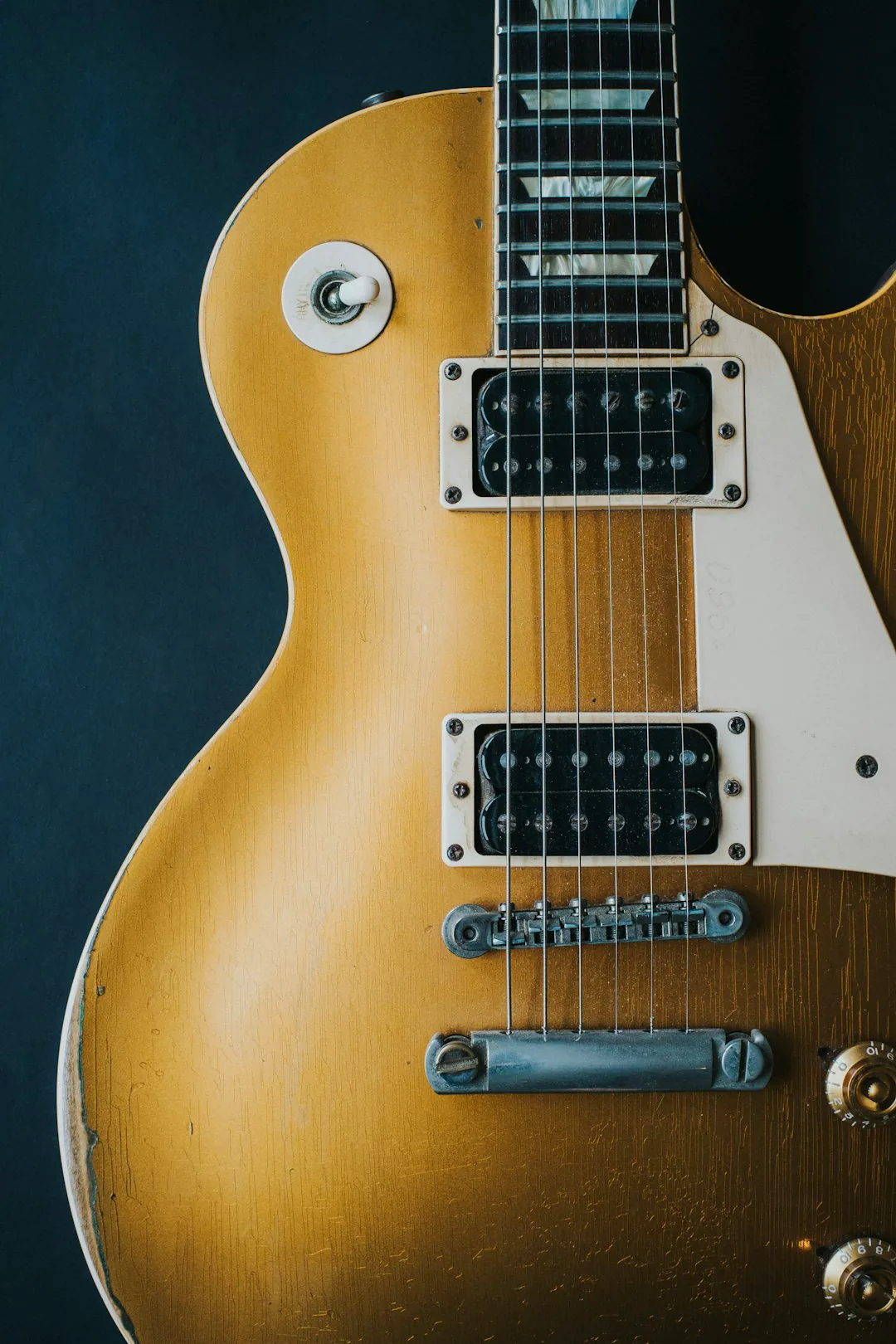
Finally, pick a guitar that looks cool to the person playing it. Sounds trivial, but a beginner who loves how their instrument looks picks it up more often. And picking it up is ninety percent of the battle.
Final Thoughts
If you forced me to pick just one for 2025, I'd say the Yamaha Pacifica 112V for its versatility and build consistency, with the Squier Affinity Strat a very close second. Either will serve a new player well for years — I still see students gigging on theirs after half a decade. Spend the savings on lessons and a good setup, and you'll be further ahead than anyone chasing gear.
参考链接
- Best Electric Guitars Under $300 – 2025 Roundup and Reviews
- Yamaha Pacifica 112V Full Review: Is It Still the Best Beginner Guitar?
- How to Set Up a New Electric Guitar: Beginner's Guide to Action and Intonation
- Squier Affinity Series vs Fender Player: What You Actually Get for the Money
- Beginner Guitar Gear Checklist: Amps, Cables, and Accessories You Need