How to Choose the Right T-Shirt Fabric for Summer: Cotton vs Bamboo vs Blends
I've been working in the T-shirt industry for over twelve years now, and every spring I get the same question from customers and friends alike: "Which fabric should I pick for summer?" It sounds like a simple question, but after handling thousands of samples, running wash tests in my own workshop, and yes, sweating through more trial tees than I care to admit, I've learned that the honest answer is "it depends on what you actually need." Let me walk you through what I've found.
Why Fabric Choice Matters More Than You Think in Hot Weather
Most people judge a summer T-shirt by how it looks on the rack. Big mistake. The fabric determines three things that matter way more than the print or the cut: how well the shirt breathes, how it handles sweat, and how it feels against your skin after six hours of wear.
I remember one July a few years back when a client ordered 5,000 promotional tees in a cheap 100% polyester blend. Looked great in photos. Two weeks later, we got complaints pouring in — people were basically wearing plastic bags in 95-degree heat. That experience taught me that "best fabric for summer t-shirts" isn't a marketing phrase; it's a genuine performance question.
Cotton: The Old Reliable, With Caveats
What Makes Cotton Work in Summer
Cotton is still the king of summer fabrics for most people, and I don't think that's changing anytime soon. It's breathable, it absorbs moisture (cotton can hold up to 25 times its weight in water), and it's naturally soft. If you have sensitive skin, cotton's hypoallergenic nature is a real plus — I've had customers with eczema who can only wear cotton, full stop.
But here's where the details matter: not all cotton is equal. When people ask me about cotton vs bamboo t-shirts for hot weather , my first response is always "which cotton?"
Know Your Cotton Types
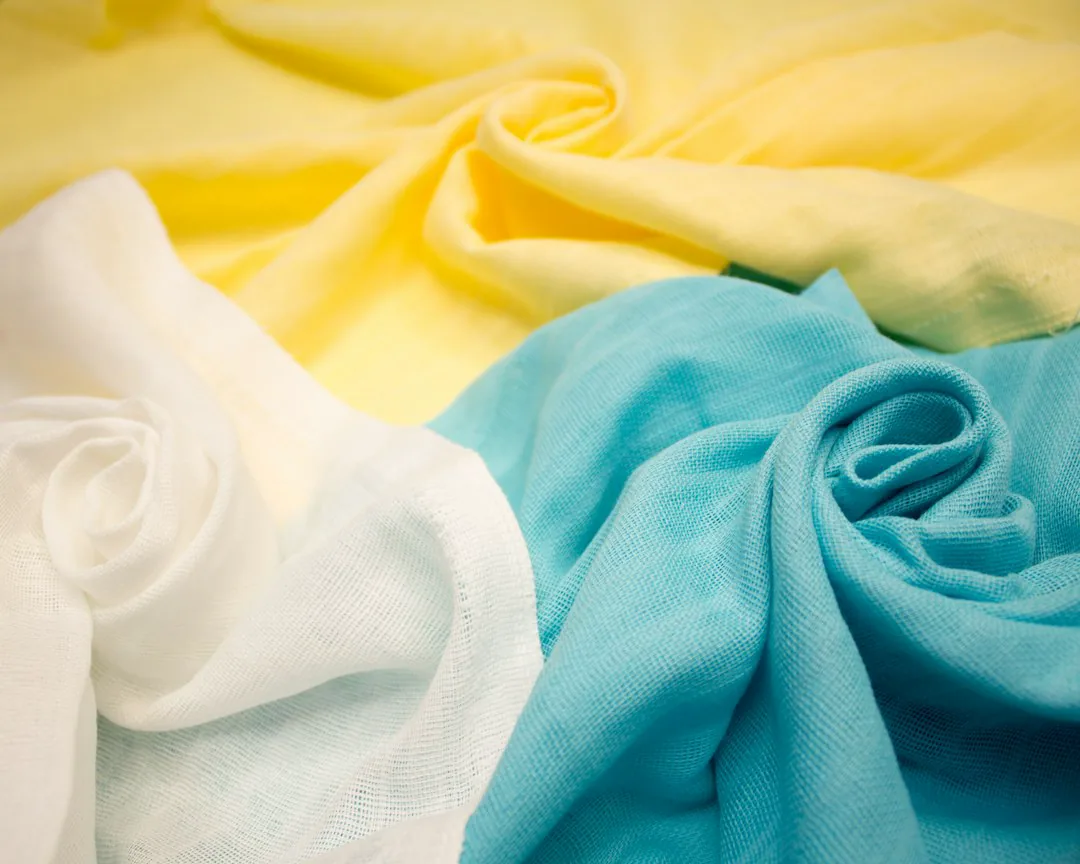
Short-staple cotton is what you find in bargain tees. It's fine for a season, then pills and stiffens. Combed and ring-spun cotton costs a bit more but the fibers are longer and smoother — the shirt stays soft far longer. And if you want the premium option, Supima or Egyptian cotton, with extra-long staples, feels almost silky.
One thing I always warn people about: heavyweight cotton (anything above 6 oz) can feel like a blanket in humid climates. For summer, aim for a lighter weight, around 4 to 5 oz, in a jersey knit. Open-end or airy weaves help too.
The Downside of Cotton
Cotton absorbs sweat but dries slowly. If you're someone who really perspires, you'll end up with damp, clingy patches that take ages to dry. It also wrinkles and can shrink if the manufacturer hasn't pre-shrunk the fabric. I always tell customers to check for "pre-shrunk" on the label — learned that one the hard way after shrinking a whole load of my own tees years ago.
Bamboo: The Soft Newcomer
The Genuine Advantages
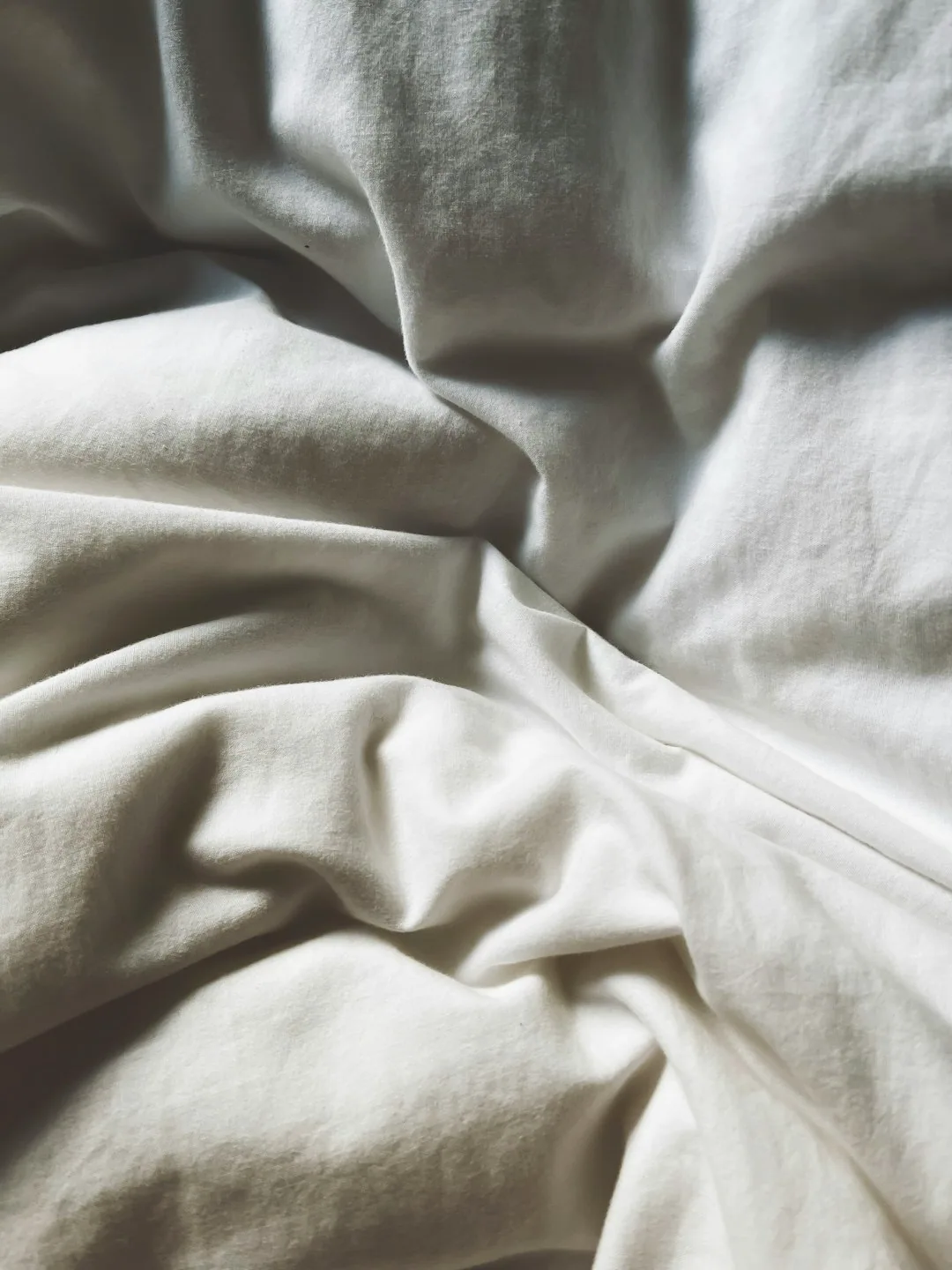
The first time I touched a bamboo viscose tee at a trade show, I genuinely thought it was a silk blend. That's the thing bamboo does best: softness. It's also naturally moisture-wicking — it pulls sweat away from your body and dries faster than cotton, which makes it excellent for humid summers. Plus, it has natural antibacterial properties, so it resists odor better. If you tend to re-wear shirts between washes (no judgment, we all do it), bamboo holds up better smell-wise.
Bamboo is often marketed as the eco-friendly choice, and there's some truth to that — bamboo grows fast without pesticides. But I'll be straight with you: the process of turning bamboo into viscose involves chemical treatment, so "sustainable" is a stretch unless you're looking at lyocell-process bamboo or closed-loop manufacturing.
Where Bamboo Falls Short
Durability. Bamboo tees tend to lose shape faster, especially in the collar and hems. They also cost more, sometimes 30 to 50 percent more than an equivalent cotton tee. And pure bamboo fabric is hard to find — most "bamboo tees" are actually bamboo-cotton blends, which is worth checking on the label.
Blends: The Pragmatic Middle Ground
Now, blends. This is where a lot of industry people quietly land, and I include myself. A cotton-polyester blend (the classic 50/50 or 60/40) gives you cotton's comfort with polyester's durability and quick-drying properties. These shirts hold their shape, resist wrinkles, survive dozens of washes, and cost less than pure bamboo.
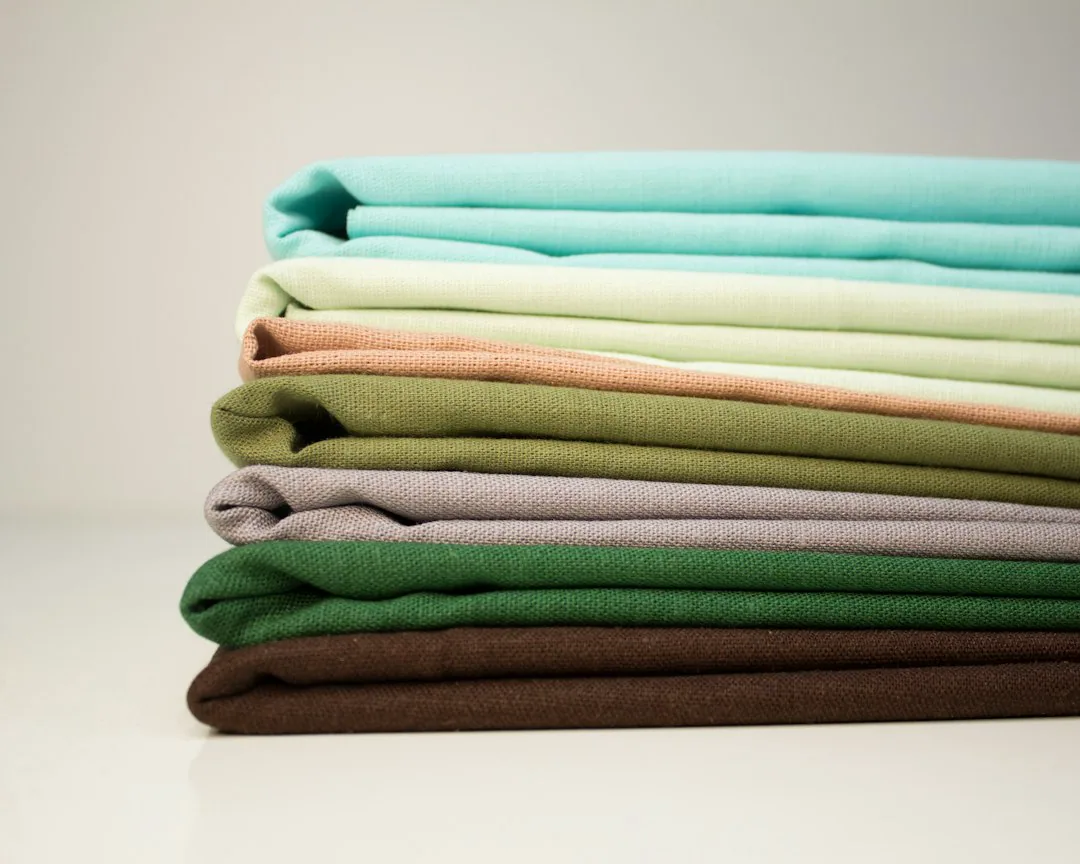
For athletes or anyone spending whole days outside, tri-blends — cotton, polyester, and rayon — are my usual recommendation. They're soft, they drape well, and they dry fast. The trade-off: tri-blends can pill over time, and they're not the best canvas for certain printing methods if you're customizing.
So Which One Should You Actually Buy?
Here's my honest cheat sheet after years in the trade:
If you have sensitive skin or want everyday casual comfort: go with lightweight combed cotton. If you live somewhere humid, sweat heavily, or want that luxury feel: bamboo (or a bamboo-heavy blend) is worth the extra money. If you need something tough for work, sports, or frequent travel: a cotton-poly or tri-blend will serve you best. And if you're printing custom designs, talk to your printer first — fabric choice changes how ink sits on the shirt.
Whatever you pick, check the weight, the knit, and the label before you check the price. A $40 tee in the wrong fabric will feel worse in August than a $15 tee in the right one. Trust me — I've worn both.
参考链接
- Cotton vs Bamboo vs Polyester: Which Fabric Is Best for Summer T-Shirts
- A Complete Guide to T-Shirt Fabric Types and Weights
- How Bamboo Viscose Is Made and What It Means for Sustainability
- Tri-Blend vs 100% Cotton T-Shirts: A Buyer's Comparison
- Choosing Breathable Clothing for Hot and Humid Weather