Best Home Coffee Machines Under $200 for Beginners Who Love Espresso
I've been working behind coffee bars for over a decade, and the question I get asked most at dinner parties is always the same: "Can I actually make decent espresso at home without spending a fortune?" My answer hasn't changed in years — yes, you can, as long as you know what you're buying and what to expect. The sub-$200 category is full of compromises, but some of those compromises are smart ones. Let me walk you through what I've learned, including the machines I've actually recommended to friends and family.
What You Can Realistically Expect Under $200
Let's be honest with each other first. A true espresso machine needs two things: stable 9-bar pressure and water at around 195–205°F. Commercial machines nail this with big boilers and rotary pumps. Budget machines get there differently — usually with thermoblock heaters and vibratory pumps — and some get there better than others.
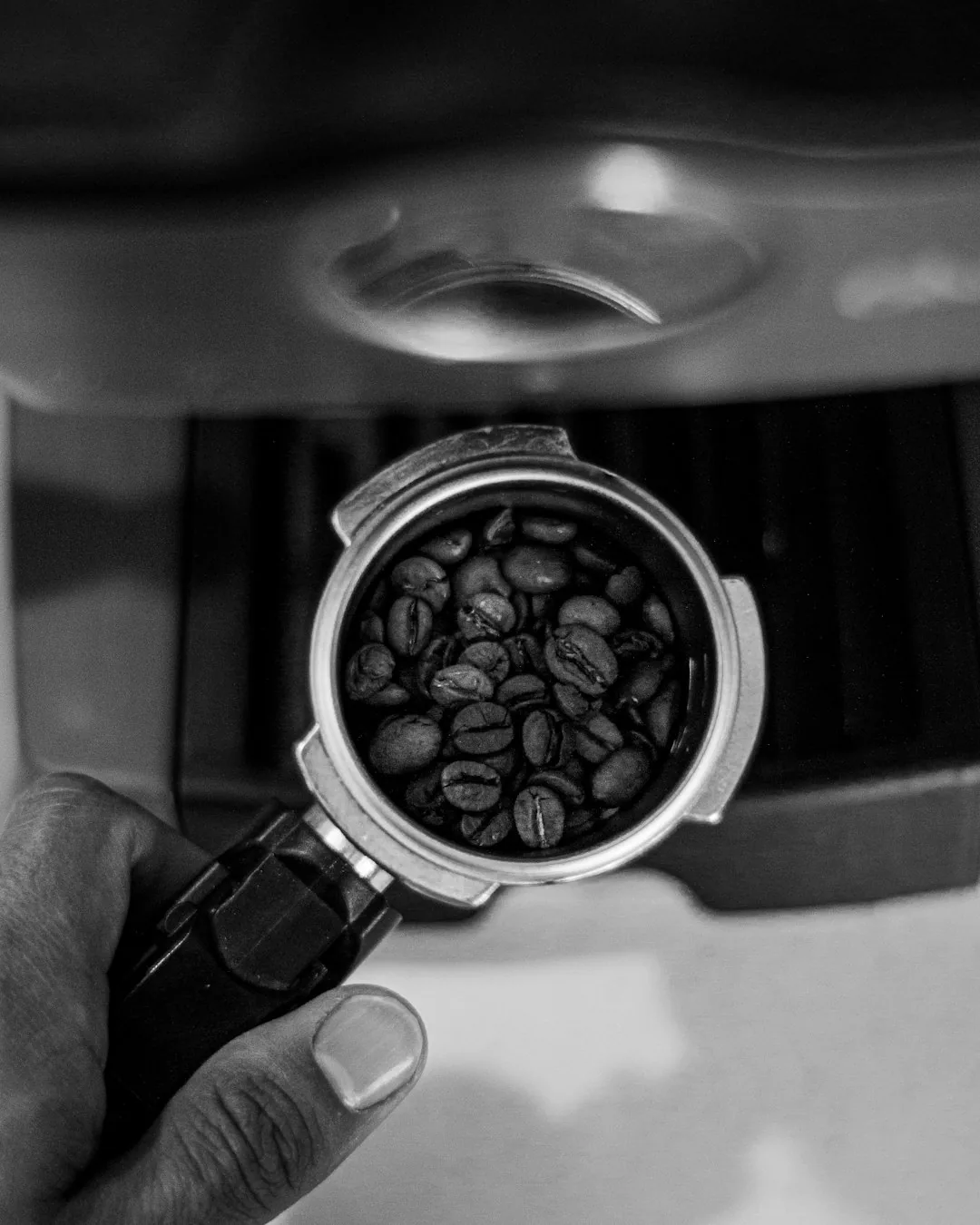
What you're looking for at this price is a machine that pulls a rich, concentrated shot with real crema, even if it's not going to taste identical to a $15,000 La Marzocco. If a machine can do that consistently, it's a winner in my book.
My Top Picks for Beginner-Friendly Espresso Machines
1. De'Longhi Stilosa EC260BK — The Reliable Starter
If someone asks me for one recommendation and refuses to hear alternatives, this is it. At around $100, the Stilosa is the machine I bought for my sister when she moved into her first apartment. Three years later, it's still going strong. It has a manual steam wand — which matters enormously, because pressurized "frothing aids" produce foam that tastes like dishwater bubbles — and a surprisingly stable thermoblock for the price. Is it perfect? No. The portafilter is 51mm, which limits your accessory options, and you'll want to warm up the machine longer than the manual suggests. But for learning the fundamentals of how to make espresso at home, it's genuinely hard to beat.
2. Casabrews CM5418 — The Unexpected Overachiever
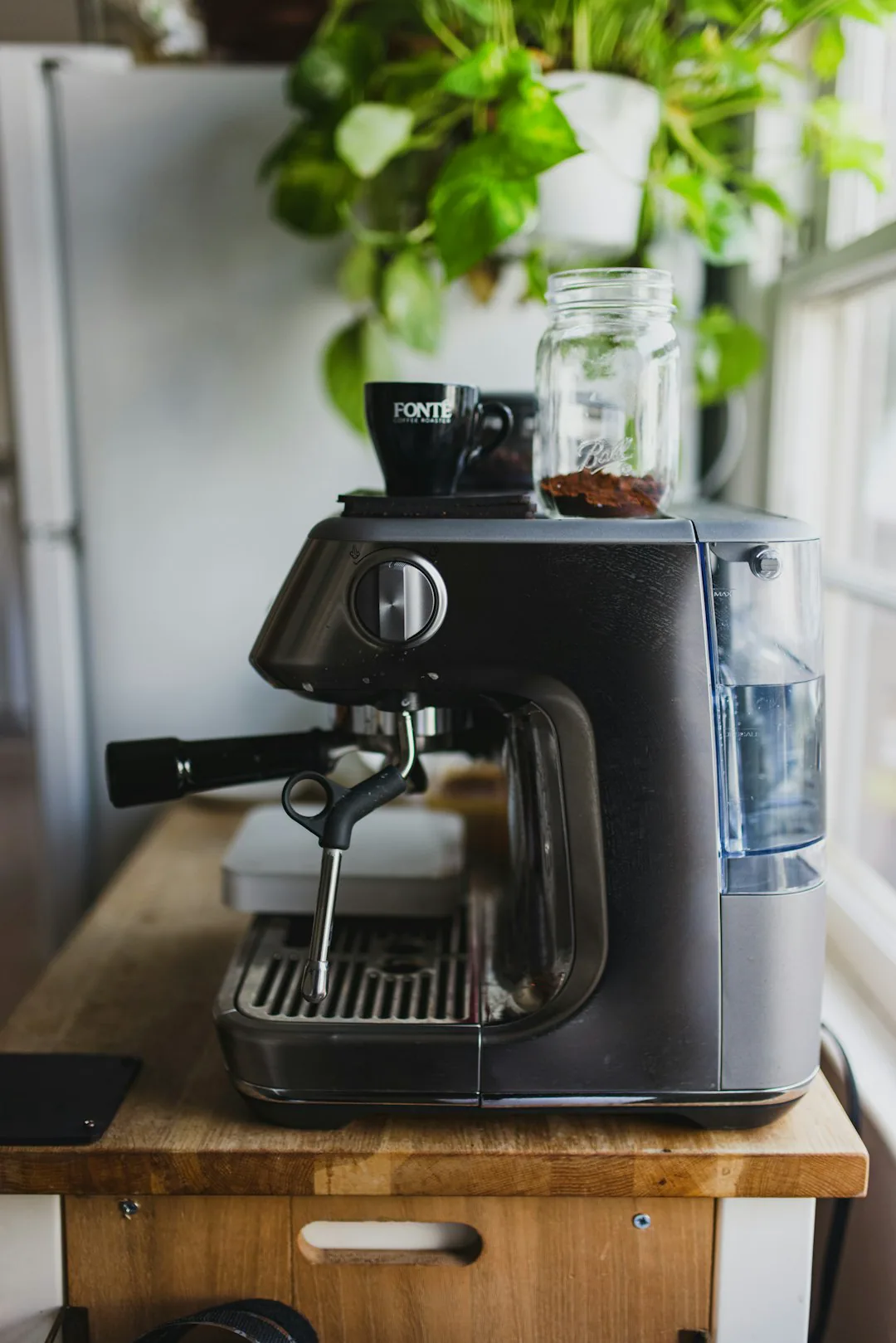
This one surprised me. A customer brought one into my shop a couple of years ago and asked me to take a look. The 20-bar pump marketing is nonsense — espresso is 9 bars, full stop — but underneath the hype, the Casabrews delivers stable extraction and a steam wand that actually textures milk into microfoam decent enough for latte art attempts. It usually sits right around $130–160. My one complaint: the tamper it ships with is flimsy plastic. Toss it immediately and spend $15 on a proper metal one. That single upgrade improves your shots more than you'd believe.
3. De'Longhi ECP3420 — The Best Milk-Drink Machine
If your endgame is cappuccinos and lattes rather than straight shots, this is my pick. It sits near the top of the budget at around $180–200, but the steam power is a clear step above the cheaper options. My brother-in-law makes three lattes every morning on his, and after two years, the wand still steams a small pitcher of whole milk to glossy silk in about 30 seconds. The trade-off is bulk — it takes up real counter space — and a slightly plasticky feel. Worth it if milk drinks are your thing.
4. Flair Neo (Manual) — The Purist's Budget Option
Here's my wildcard. The Flair Neo isn't an electric espresso machine at all — it's a manual lever press. You add hot water, pull down a lever, and generate the pressure yourself. It's under $100, nearly indestructible, and teaches you more about extraction than any automatic ever will. No steam wand, though, so it's espresso only. I recommend this to beginners who are curious about the craft itself rather than convenience. My apprentice learned on one before touching our shop machine, and her dial-in instincts are better for it.
The Mistake Almost Every Beginner Makes
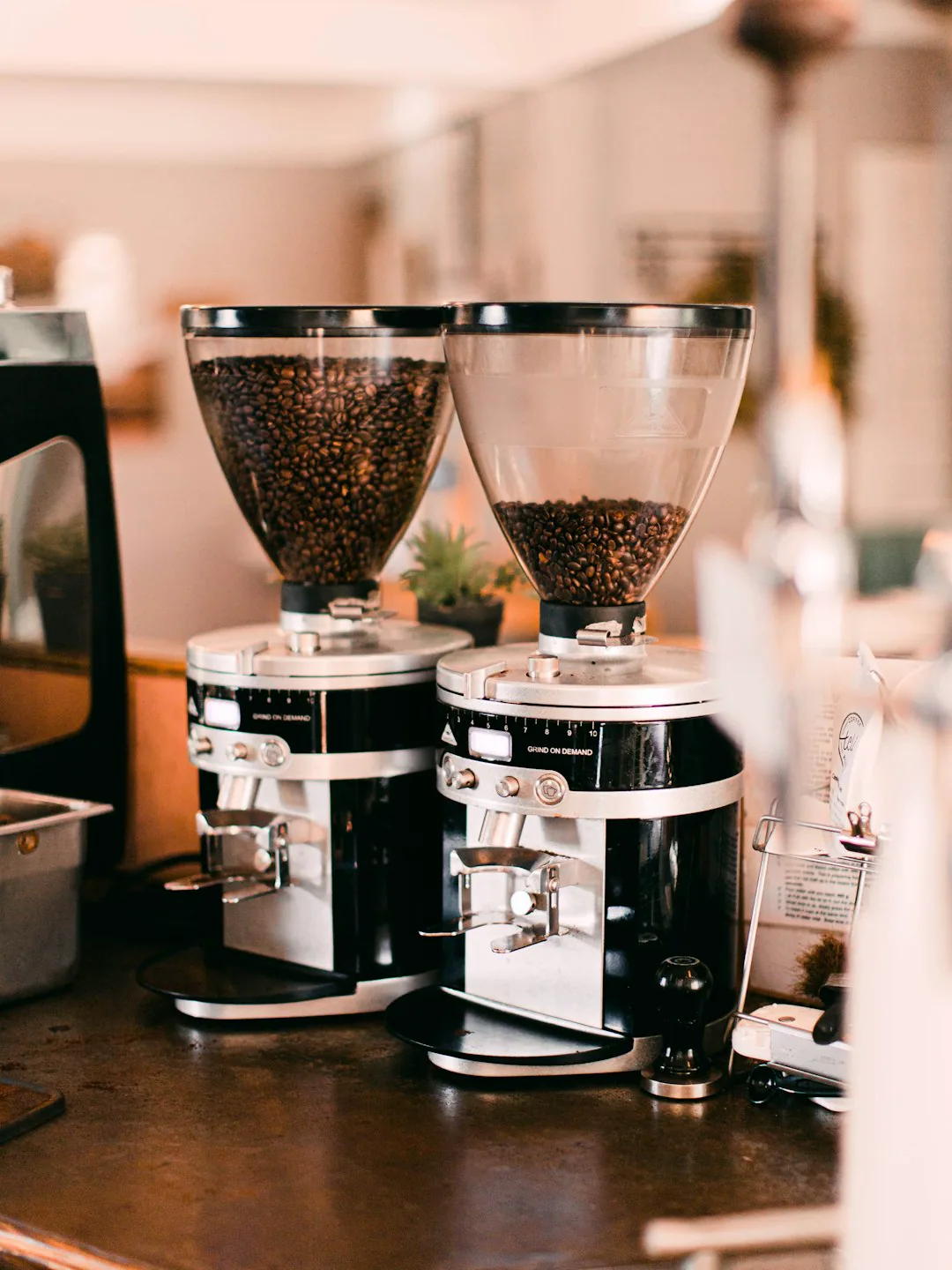
I'll say this until I'm hoarse: the grinder matters more than the machine. I've watched people spend $200 on an espresso machine and then use pre-ground coffee, then wonder why their shots taste thin and sour. Coffee starts going stale within minutes of grinding, and espresso needs fresh, finely-ground beans. If your total budget is $200, seriously consider spending $120 on the machine and $80 on a decent entry-level burr grinder — or buy fresh beans ground for espresso from a local roaster weekly. Fresh beans alone will transform your results.
Also, skip the pods. I know the convenience is tempting, but pod espresso under $200 machines is, in my professional opinion, a dead end for anyone who says they "love espresso."
Quick Buying Checklist for First-Time Buyers
Before you click "add to cart," run through this list:
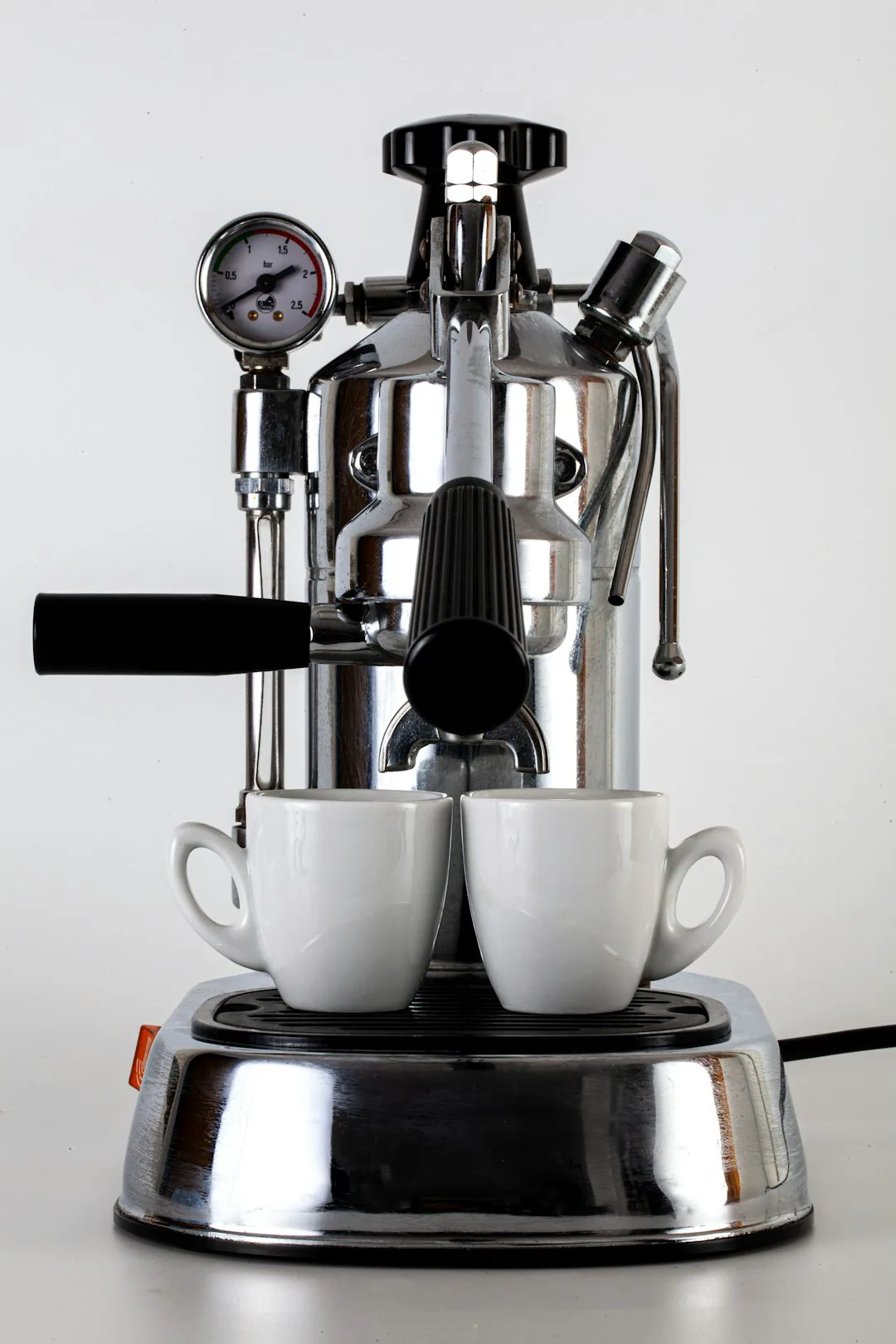
First, look for a real steam wand, not a frothing aid. Second, choose a machine with a removable water tank for easy refilling and cleaning. Third, check that replacement parts and 51mm or 58mm accessories are easy to find. Fourth, read reviews specifically mentioning durability after six months or more — early reviews are always glowing. And finally, budget for a metal tamper and a small knock box. These small espresso accessories make the daily routine far more pleasant.
Final Thoughts
You don't need a $2,000 setup to fall in love with espresso at home. You need realistic expectations, fresh beans, a grinder you'll actually use, and one of the machines above. Start simple, learn to taste what's happening in the cup, and upgrade when you hit a wall — not before. That's the honest advice I give every beginner who walks into my shop, and it's the same advice I'd give you over a coffee if I could.
参考链接
- Beginner's Guide to Pulling Your First Espresso Shot at Home
- Why Freshly Ground Beans Matter More Than Your Machine
- How to Steam and Texture Milk for Latte Art: A Step-by-Step Tutorial
- Espresso Pressure Explained: Do You Really Need 20 Bars?
- Entry-Level Burr Grinders Worth Buying in 2024