How to Layer Hydrating Serum with Retinol for Sensitive Skin
If you’ve ever woken up with tight, flaky, stinging skin after a retinol night, you’re not alone. I’ve been formulating and testing hydrating serums for over a decade, and I still remember the first time I tried to add retinol to my routine. My cheeks turned red, my jawline peeled, and my go-to moisturizer suddenly burned. The issue wasn’t the retinol itself—it was that I had no clue how to layer a hydrating serum with retinol to buffer the irritation. Over the years, I’ve tested hundreds of routines on myself, colleagues, and clients with sensitive skin, and the right layering order makes a bigger difference than any single product upgrade.
Sensitive skin doesn’t mean you have to skip retinol forever. It means you need a smarter sequence, a hydrating serum that actually supports the barrier, and the patience to build tolerance without chasing that “retinol glow” overnight. In this article, I’ll walk you through exactly how I layer a hydrating serum with retinol for reactive skin, including the sandwich method, what ingredients to look for, and the mistakes I see people make over and over.
Why Layering Order Is Non-Negotiable for Sensitive Skin
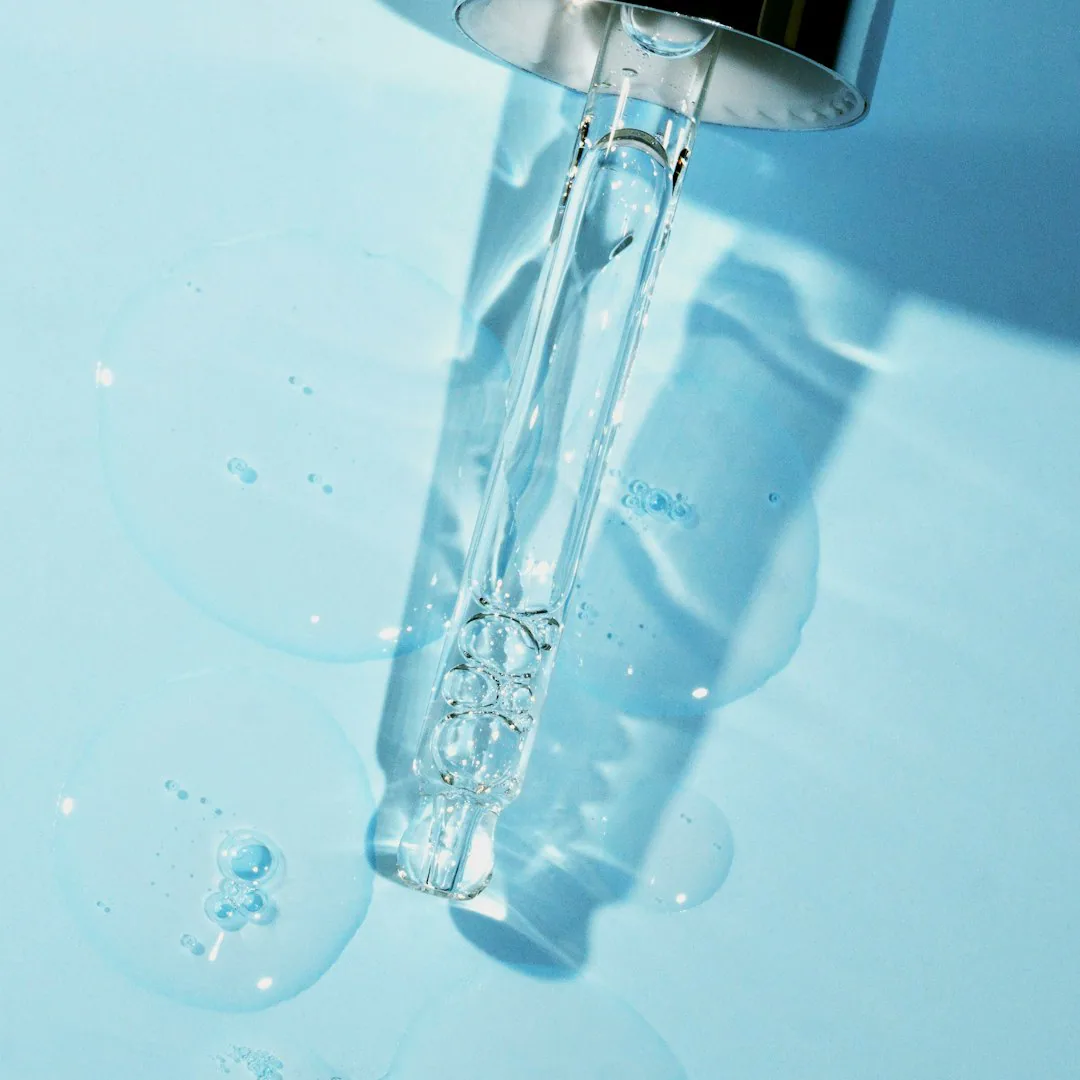
Retinol is a powerful ingredient, but it works by speeding up cell turnover and thinning the outer layer temporarily while new cells push up from below. For sensitive skin, that means the already fragile barrier becomes even more vulnerable to water loss and irritants. If you apply retinol first on bare skin, you get maximum penetration—but also maximum irritation. A hydrating serum applied underneath creates a buffer layer that slows absorption just enough to reduce the sting without canceling out the retinol’s benefits.
I’ve seen this shift in my own routine. When I started applying a water-based hydrating serum before my retinol—even one with just glycerin and panthenol—my skin stopped peeling within two weeks. The retinol still worked; I got the smoother texture and clearer pores I wanted. But the side effects dropped dramatically. That’s not magic. That’s basic barrier biology.
The Retinol Sandwich Logic
The retinol sandwich method for sensitive skin is simple: hydrating serum first, retinol second, moisturizer third. Some people add another layer of moisturizer at the very end, and that’s fine too. What matters is that retinol never touches bone-dry, unprotected skin. The serum supplies water-attracting humectants that keep the stratum corneum flexible, while the moisturizer seals everything in. I like to tell my clients to think of it as putting on a soft, damp t-shirt before a heavy sweater—the retinol still reaches the skin, but it doesn’t chafe.
What to Look for in a Hydrating Serum for Retinol Layering
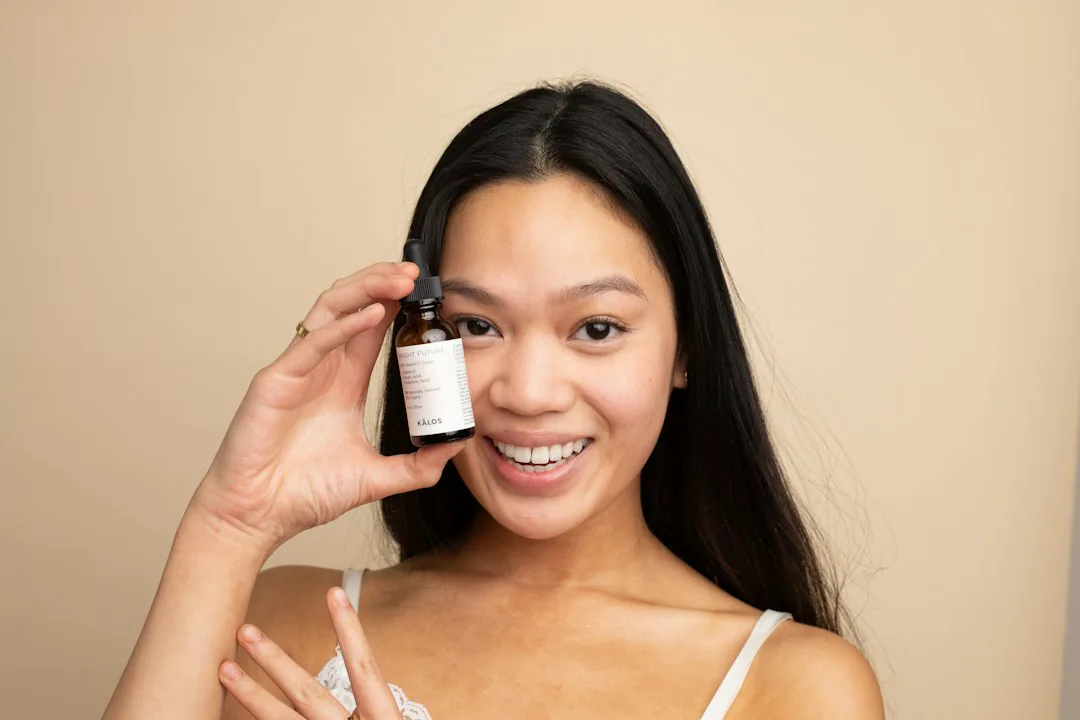
Not every hydrating serum is built for this job. Some are too thin and evaporate before you even open the retinol tube. Others pack in exfoliating acids or vitamin C, which is the last thing you want next to a retinoid. When I formulate or choose a hydrating serum to layer with retinol, I look for a few key categories: humectants, barrier lipids, and soothing agents. The best hydrating serum for retinol buffering will have at least two of those three.
Humectants like hyaluronic acid, glycerin, beta-glucan, and panthenol pull water into the skin. On their own, humectants can sometimes increase water loss if you’re in a dry environment, but under a retinol and a moisturizer, they create a hydrated cushion that reduces friction and inflammation. Barrier lipids such as ceramides, squalane, and fatty acids help patch up the cracks that retinol exposes. Soothing agents—centella, allantoin, oat extract, bisabolol—calm the nerve endings so your skin doesn’t overreact to the retinol.
Ingredients I Avoid in a Retinol Buffer Serum
Just as important is what’s not in the serum. I avoid alpha hydroxy acids, beta hydroxy acids, vitamin C in its ascorbic acid form, and strong essential oils when layering with retinol. Even a low-percentage glycolic acid sitting under retinol can turn a mild tingle into a red, angry mess. I also skip heavy fragrance if your skin is truly sensitive—fragrance is a common trigger for the exact stinging feeling you’re trying to prevent. A hydrating serum for retinol layering should feel calm, not “active.”
The Exact Layering Order I Use and Teach
Over the years, I’ve refined three main approaches depending on how reactive someone’s skin is. All of them start with clean, slightly damp skin. I never apply anything to a face that feels tight or bone-dry, because that means water is already leaving the skin and the barrier is compromised.
Option A: Hydrating Serum First, Then Retinol
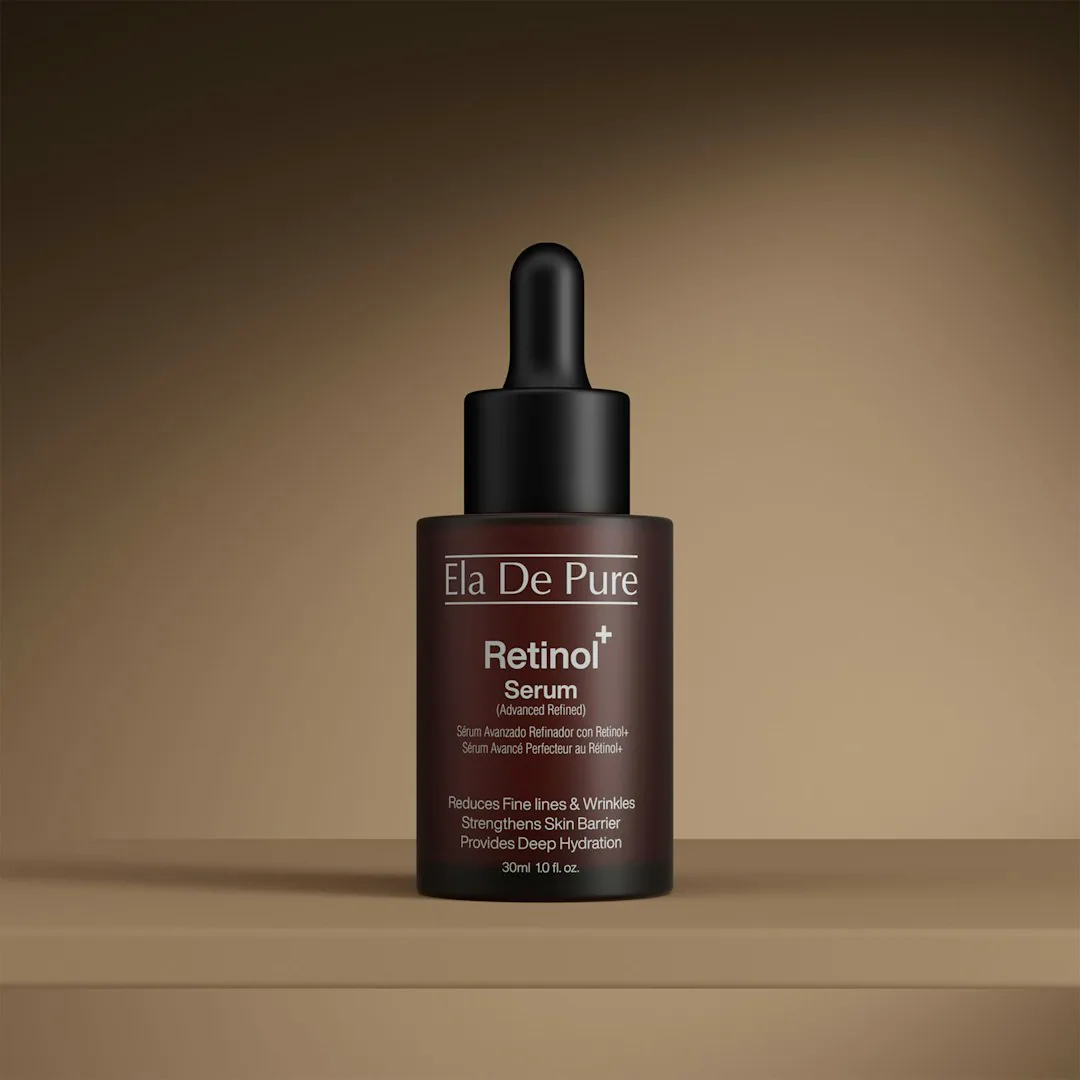
This is my baseline for anyone with mild sensitivity. After cleansing, pat your face so it’s damp but not dripping. Apply one to two pumps of a water-based hydrating serum—look for hyaluronic acid, glycerin, or panthenol in the first few ingredients. Gently press it in and wait 60 to 90 seconds until it feels tacky, not wet. Then apply a pea-sized amount of retinol. Let that settle for a minute or two, then follow with a ceramide-rich moisturizer. This order gives you a noticeable reduction in stinging while still allowing the retinol to do its job.
Option B: Serum-Retinol-Moisturizer Sandwich
For more reactive skin or the first month of retinol use, I recommend the full sandwich. Start with the hydrating serum as above. Apply retinol. Then apply a moisturizer. But here’s the trick: add a second, thinner layer of your hydrating serum before the moisturizer if your skin still feels warm or tight. Some people call this a “double sandwich,” and while it sounds like a lot, it can rescue a routine that’s on the edge of irritation. The key is to wait 30 to 60 seconds between layers so you’re not just sliding everything around.
Option C: Mix a Drop of Retinol into Your Hydrating Serum
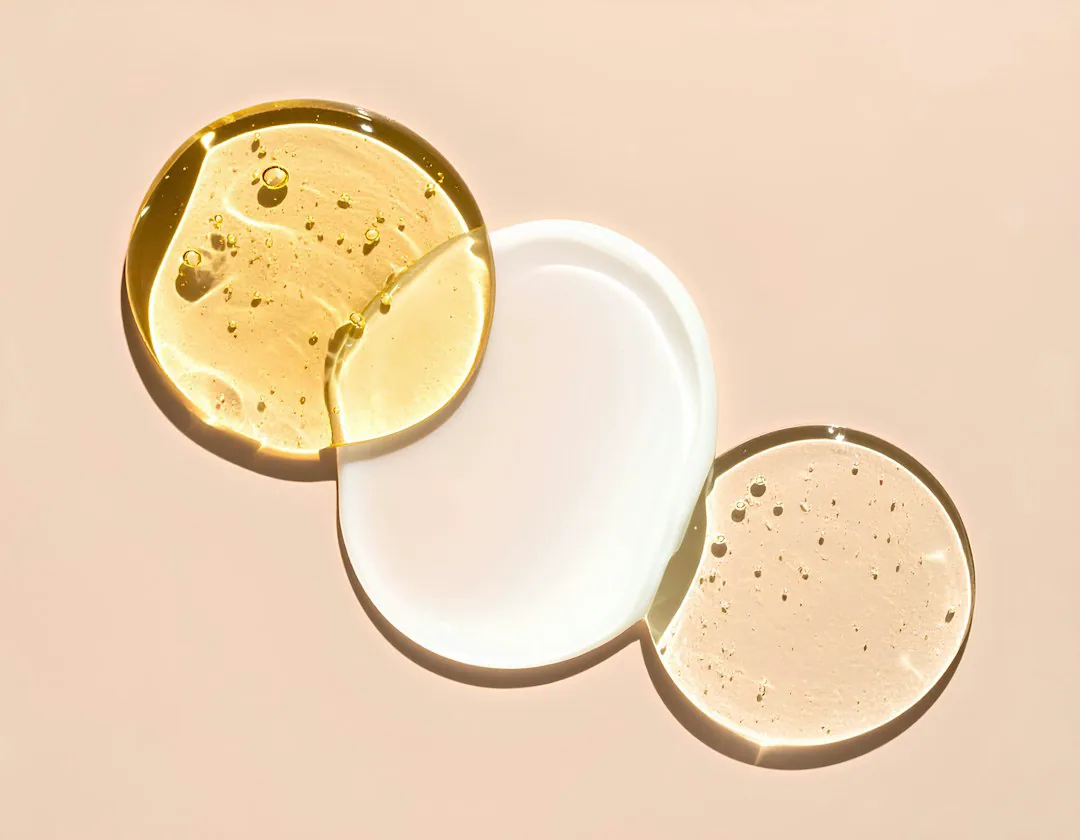
This is a method I use with clients who have tried everything and still peel. Take a pea-sized amount of retinol and mix it into one pump of your hydrating serum in your palm, then apply the mixture to damp skin. This dilutes the retinol by roughly half, depending on the product, and makes it far more tolerable. The downside is that you may not get the same strength of results as a straight application, but for sensitive skin, a weaker retinol that you can use consistently beats a stronger one you have to stop every week.
Regardless of which option you choose, I always wait at least 20 minutes after cleansing before retinol if I’ve just washed with a foaming cleanser, and I never use retinol on the same night as physical exfoliation. Waiting for skin to fully dry is crucial—retinol penetrates deeper into wet skin, which can cause unexpected irritation.
My Personal Sensitive Skin Retinol Log: What Actually Happened
A few years ago, I decided to test the layering order on myself after a winter flare-up left my cheeks raw. I had a hydrating serum with glycerin, panthenol, and snow mushroom extract on my desk, and I used it religiously before my retinol three nights a week. The first week, I noticed only mild warmth around my nose. By the second week, the flaking around my chin stopped completely. By week four, I could apply the same retinol directly to my skin on one night without issue—but honestly, I kept the serum-first order because it felt better.
The biggest lesson from that experiment wasn’t about a single ingredient. It was about consistency. Sensitive skin tolerates retinol much better when you build up frequency slowly—say, twice a week for three weeks, then every other night, then nightly only if your skin feels calm. The hydrating serum underneath acts like a security system that lets you stay on schedule instead of taking a week off to repair a damaged barrier.
Common Mistakes That Make Retinol Irritation Worse
Even with the right serum, there are a few patterns I see that keep people stuck in a cycle of peeling and quitting. First, using too much retinol. More is not better. A pea-sized amount for the whole face is genuinely enough; if you’re squeezing out a full pump every night, you’re asking for trouble. Second, applying retinol right after a hot shower when skin is flushed and pores are open—wait until your face cools and dries. Third, layering occlusive balms or petrolatum-heavy products under retinol, which can trap it and increase penetration. Save the heavy occlusives for after the retinol, not before.
Another mistake is rotating too many actives in the same week. If you’re using a BHA toner on Monday and retinol on Tuesday while also trying a vitamin C serum in the morning, your sensitive skin will eventually wave a white flag. I always tell people to let retinol be the only “active” in their evening routine for at least the first two months. The hydrating serum is there to support, not to compete.

Adjusting Layers by Season and Climate
Your layering order should shift with your environment. In dry, indoor-heated winter air, I lean toward a thicker hydrating serum with ceramides or squalane and follow with a heavier moisturizer. In humid summer weather, I might use a lighter gel-based serum and skip the second moisturizer layer entirely. I also pay attention to how my skin feels the morning after. If I wake up with oil but no irritation, the retinol is working and the serum is doing its job. If I wake up tight or red, I know I need to buffer more, not push harder.
Travel also throws a wrench into routines. Plane air, hotel water, and stress all make sensitive skin more reactive. When I travel, I always bring my hydrating serum and use it morning and night, not just before retinol. That constant barrier support means I can usually stick to my retinol schedule without a breakout or a flare.
Final Thoughts on Layering Hydrating Serum with Retinol
Layering a hydrating serum with retinol for sensitive skin isn’t about following a rigid ten-step routine. It’s about understanding that your barrier is the gatekeeper. When you hydrate first, apply retinol sparingly, and seal it all in with a moisturizer, you give your skin a chance to adapt without the misery. I’ve watched people go from “I can’t use retinol at all” to “I use it four nights a week without a single flake” just by fixing their order and choosing the right serum.
Start slow, listen to your skin, and don’t be afraid to mix a drop of retinol into your hydrating serum if that’s what keeps you consistent. The best retinol routine is the one you can actually maintain, and for sensitive skin, that always starts with hydration first.
参考链接
- Retinol Sandwich Method: How to Buffer Retinoids for Sensitive Skin
- Dermatologist Guide to Building a Sensitive Skin Retinol Routine Without Irritation
- Humectants vs Emollients: What Your Skin Barrier Actually Needs with Retinol
- How to Choose a Hydrating Serum for Retinol Layering, According to Skincare Formulators
- Retinol Side Effects and Recovery: What to Do When Your Skin Reacts