10 Beginner Programming Projects to Build a Portfolio Without a Computer Science Degree
I've been working in software development for over a decade now, and I still remember the panic of my first job interview. I had no computer science degree — I was an English major who taught myself to code through free online programming courses and a lot of trial and error. When the interviewer asked what I'd built, I froze. I'd done tutorials, sure, but I couldn't point to a single finished thing that was mine. That moment taught me something I now tell every aspiring developer: projects beat credentials, but only if you actually finish them.

The good news? You don't need a degree to land a junior developer role. Hiring managers consistently tell me they care more about GitHub repositories with real, working code than a diploma. Below are ten beginner coding projects I recommend — ordered roughly by difficulty — that will give you a portfolio worth talking about in interviews.
Why Portfolio Projects Matter More Than Credentials
Before diving in, a quick reality check. Self-taught programmers often worry they'll be filtered out by HR software. In my experience, that happens far less than you fear, especially at startups and agencies. What actually gets you filtered out is an empty portfolio. One well-documented project on GitHub tells an employer: this person can define a problem, write code, debug it, and ship it. That's the whole job, honestly.
The 10 Projects
1. A Personal Portfolio Website
Start here because it's meta — you're building the thing that will house everything else. Use plain HTML, CSS, and JavaScript at first. Don't reach for React immediately. My first portfolio was ugly but functional, and building it raw taught me more about CSS layout than any course ever did. Deploy it on GitHub Pages or Netlify so you can share a live link.
2. A To-Do List App (With a Twist)
Yes, everyone builds a to-do app. That's exactly why you should add something: due dates, categories, localStorage persistence, or drag-and-drop reordering. I interviewed a candidate once whose to-do app synced across devices using Firebase, and we talked about it for twenty minutes. The base project is boring; your twist is the story.
3. A Weather Dashboard Using a Public API
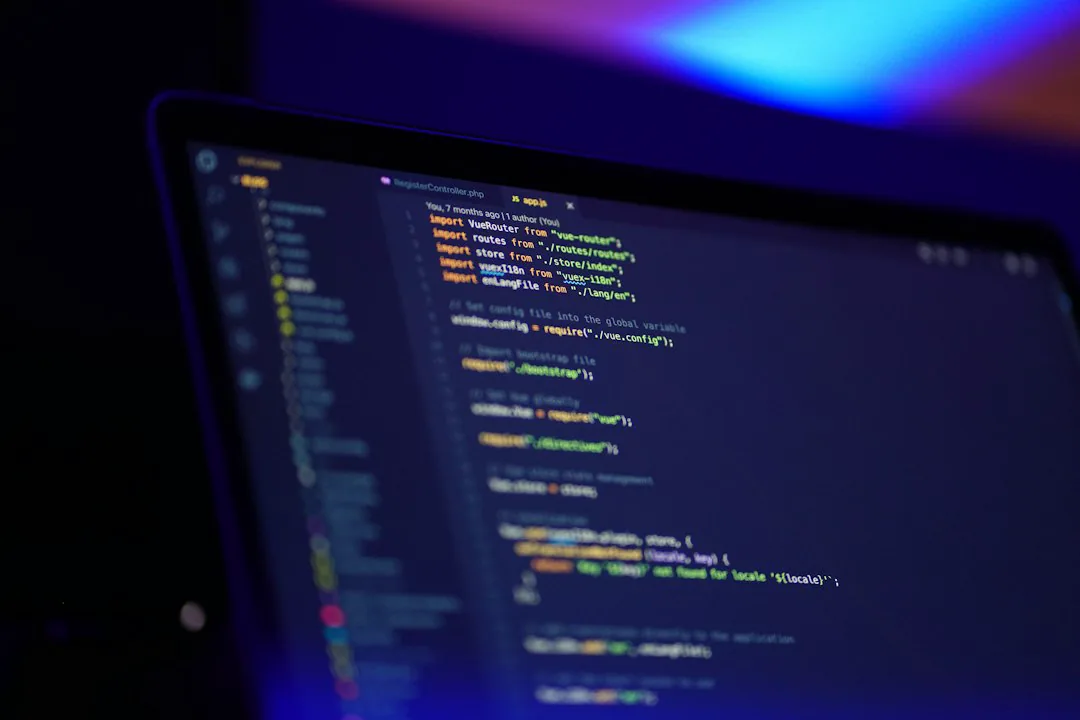
This is the project where you learn how real applications work. Fetching data from the OpenWeatherMap API, handling errors, dealing with asynchronous JavaScript — these are daily tasks in every developer job. It's also your first exposure to reading API documentation, which is a genuinely underrated skill.
4. A Web Scraper
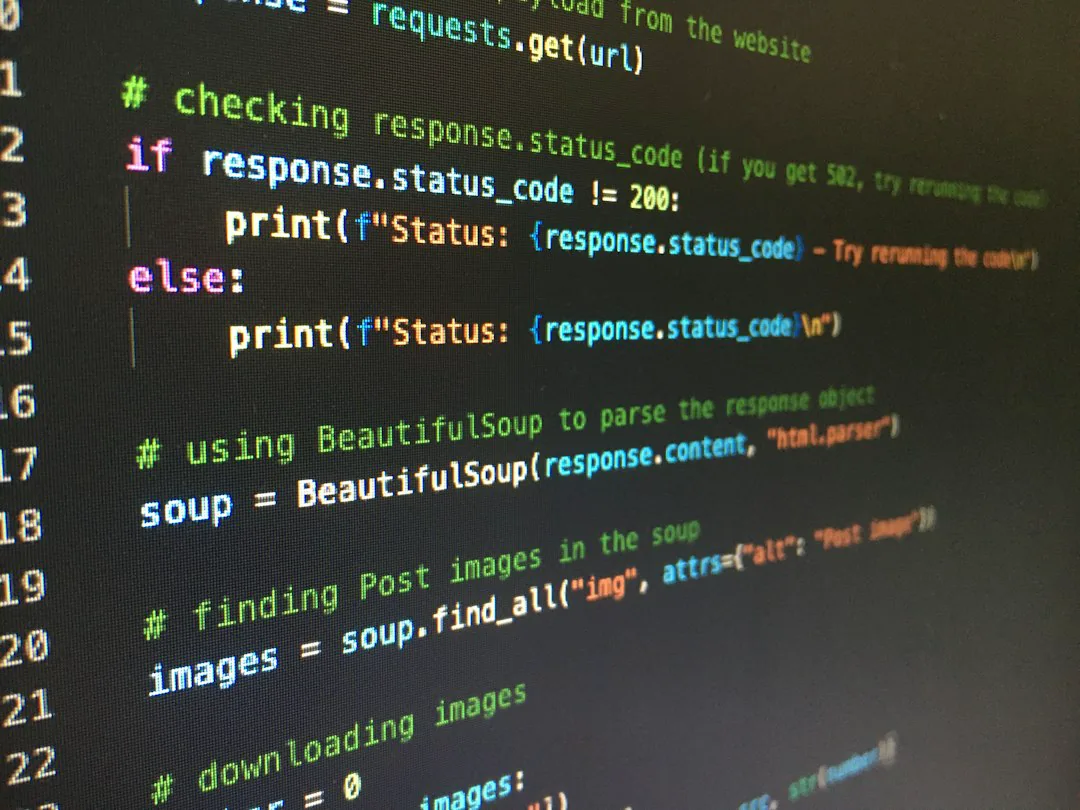
Pick Python with BeautifulSoup and scrape something you personally care about — concert tickets, apartment listings, used book prices. When I was learning, I scraped guitar prices from a classifieds site and emailed myself alerts. It was 60 lines of code, but it solved a real problem in my life, and that made it stick. Store the results in a CSV or a simple SQLite database to level it up.
5. A Simple Game
Tic-tac-toe, Snake, or a memory card game. Games force you to think about state, logic, and user input in ways CRUD apps don't. A memory game in JavaScript was the first project where I truly understood event handling. Keep scope small — a finished tic-tac-toe game beats an abandoned RPG every time.
6. An Expense Tracker
This one introduces you to data handling and basic visualization. Add a chart with Chart.js so users can see spending by category. It's a project that demonstrates you can work with forms, validation, and persisted data — three things hiring managers actually look for in junior developers.

7. A Chrome Extension
This is an underrated gem. A simple extension that blocks distracting sites or changes page colors is small in scope but feels impressive, because it's a real product running in a real browser. I built one that hid news article comment sections, and friends actually asked to install it. That kind of user feedback is gold for your confidence.
8. A Full-Stack CRUD Application
Think a recipe manager or a book collection tracker. Frontend in React or Vue, backend with Node/Express or Python/Flask, database with PostgreSQL or MongoDB. This is the project that proves you understand how the pieces connect — and it's where you should invest the most polish. Write a proper README with screenshots and setup instructions. I cannot count how many GitHub repos I've reviewed where the README was an afterthought.
9. An Automation Script
Something like a script that renames hundreds of files, backs up a folder, or generates weekly reports automatically. Automation scripts show practical problem-solving, and they're often the fastest path to demonstrating value at a non-tech job — which is exactly how many career changers get their first taste of being "the developer" on a team.
10. A Clone — But Deployed and Deployed Well
Build a simplified Netflix, Twitter, or Airbnb clone. Clones get a bad rap, but rebuilding a known product teaches you to reverse-engineer design decisions. The key is deployment: get it live, add user authentication, handle loading states properly. A deployed clone with real polish outshines an ambitious original project that never left localhost.
How to Make These Projects Actually Count
Three rules I've learned the hard way. First, finish things. Half a portfolio is worse than a small complete one. Second, use Git from day one — commit regularly with sensible messages, because your commit history is visible and sloppy ones raise eyebrows. Third, write about each project in your README: what it does, what you struggled with, what you'd improve. That reflection is what turns code into a conversation piece in interviews.
Finally, don't build all ten in a month. Pick four or five, spread them over several months, and make each one slightly better than the last. When someone eventually asks "so, no CS degree?" — like they asked me — you'll have an answer sitting right there in your GitHub.

参考链接
- freeCodeCamp – Free Full Coding Curriculum for Self-Taught Developers
- GitHub Pages – Host Your First Portfolio Project for Free
- The Odin Project – Project-Based Learning Path for Web Development
- MDN Web Docs – Beginner's Guide to Fetching Data from APIs
- Real Python – Web Scraping Tutorial with BeautifulSoup