How to Tell If Your Antique Furniture Is Valuable: 7 Signs Collectors Look For
I've been buying and selling antique furniture for over twenty years, and if I had a dollar for every time someone dragged a "priceless heirloom" into my shop that turned out to be a 1970s reproduction, I could have retired by now. But here's the flip side — some of the most valuable pieces I've ever handled came from garage sales and dusty attics, brought in by owners who had no idea what they were sitting on. So how do you tell the difference? Let me walk you through the seven things I check before I even look at a price guide.
1. Look for Signs of Genuine Age, Not Manufactured "Distressing"
Real wear happens where hands and bodies actually touch furniture. Run your fingers along the armrests of an old chair — the edges should be rounded and smooth from decades of use. Check the bottoms of table legs; they should show wear from being dragged across floors.
Factory-made "distressed" furniture, on the other hand, has wear in weird places. Random dings on a tabletop but pristine edges? That's a red flag. I once examined a "colonial" chest where the scratches were perfectly uniform across every drawer front — machines sand wear in patterns, people don't.
2. Examine How the Piece Was Actually Built
Construction techniques are like a timeline of craftsmanship. Pull out a drawer and really study it.
Dovetail Joints Tell the Story
Hand-cut dovetails are irregular, slightly uneven, and each one looks a little different from its neighbor. Machine-cut dovetails, which appeared after the 1860s, are uniform and precise. Neither automatically means valuable, but hand-cut joints on a piece that also shows other quality markers can push it into serious collector territory.
Check for Hand-Planed Wood
Flip the piece over (carefully!) or look inside. Hand-planed boards show subtle, uneven ripples under light. Circular saw marks — perfect arcs — mean the wood was milled after roughly 1840. Kerf marks from band saws came even later. These details are how appraisers date antique furniture without any labels at all.
3. Wood Type Matters More Than You Think
Genuine mahogany, walnut, oak, and cherry command prices that pine and poplar simply don't. But here's the trick most people miss: high-quality antique furniture often uses a valuable wood on visible surfaces and a cheaper secondary wood inside drawers and on backs. That's actually normal and correct for the period. What you want to avoid is thin veneer over particleboard — poke around edges and undersides. If you see layered composite material, you're holding a modern piece, full stop.
4. Patina: The One Thing Money Can't Fake
If I could teach people only one skill, it would be recognizing patina. This is the deep, soft sheen that develops on wood after a century of polishing, waxing, and handling. It settles into corners and crevices in ways that are nearly impossible to replicate convincingly.
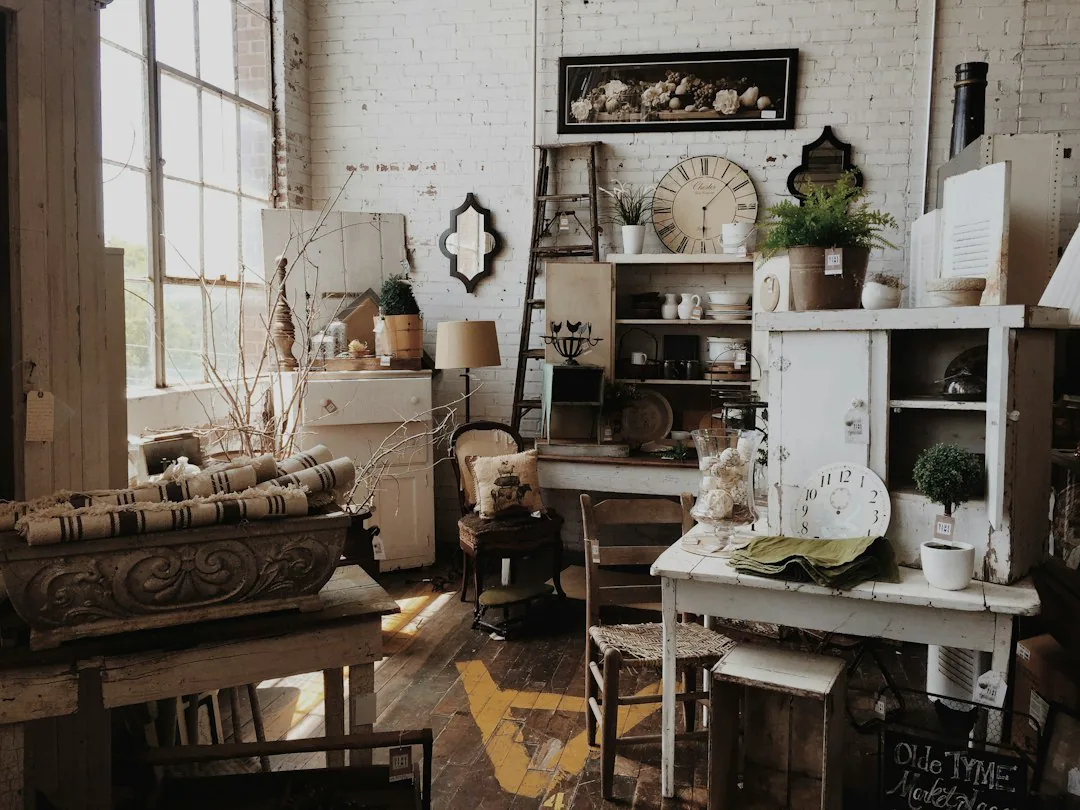
A word of warning from experience: never refinish a potentially valuable antique before getting it appraised. I've watched people destroy thousands of dollars in value with a weekend of stripping and polyurethane. Original finish, even a rough one, is almost always worth more than a beautiful refinish.
5. Maker's Marks, Labels, and Signatures
Check everywhere — drawer bottoms, the underside of tabletops, backs of case pieces, even inside joints. Chalk marks, paper labels, stamps, and burned-in brand marks can identify makers like Chippendale-era workshops, Duncan Phyfe, or American companies like Herter Brothers. A verified maker's mark can multiply value tenfold. That said, forgeries exist, so a mark alone never closes the case — it justifies deeper research.
6. Provenance: The Paper Trail That Changes Everything
Documentation is gold. Original receipts, old photographs showing the piece in situ, auction records, or even a letter from a previous owner can elevate a $2,000 chair to a $20,000 one. I once sold a modest Victorian settee for triple its expected price because the family had a 1890s invoice and a photograph of it in their great-grandmother's parlor. Collectors pay for stories they can verify.
7. Proportion, Design, and Historical Style
Finally, learn to see the piece the way a design historian would. Which style is it — Queen Anne, Federal, Gothic Revival, Arts and Crafts? Pieces that represent the purest expression of a sought-after period are worth far more than awkward hybrids. Condition being equal, a clean Stickley mission oak chair will always outperform a generic "old-looking" chair of the same age.
A Few Practical Next Steps
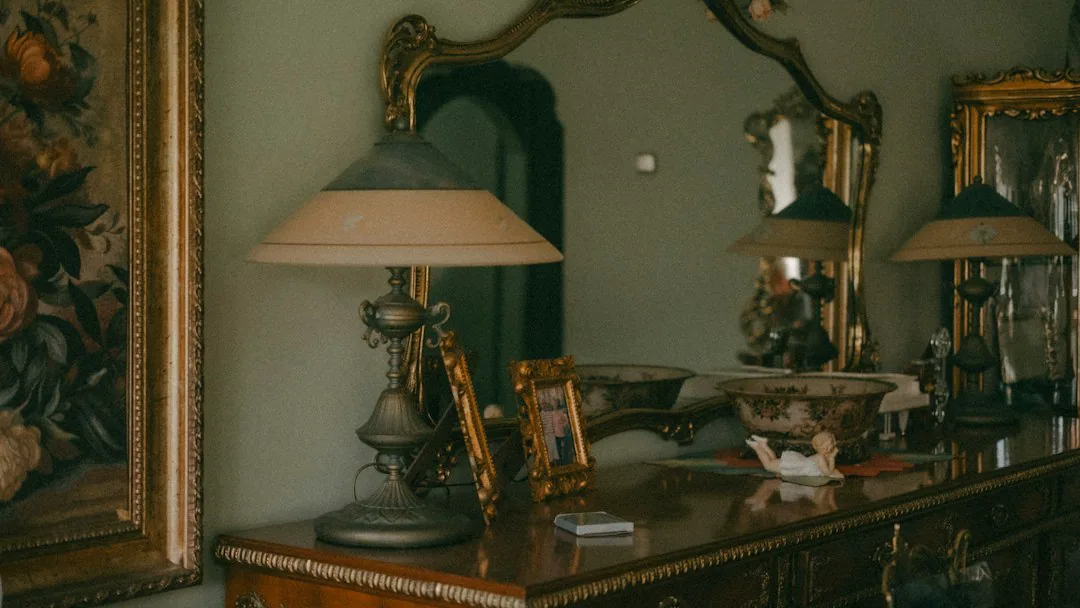
Start by photographing every detail: joints, marks, hardware, underside. Do some research on comparable sales — not retail asking prices, but actual auction results. If several of the seven signs above line up, it's worth paying a certified appraiser for a written evaluation, especially for insurance purposes.
And remember what I tell every customer: age alone doesn't equal value, and value doesn't always mean money. Some of my favorite pieces in forty years of trading were worth more to their owners as family history than anything a checkbook could measure. But if your grandmother's dresser checks these seven boxes? Well, you might want to sit down before you open the appraisal.
参考链接
- Antique Furniture Identification Guide: Dovetail Joints and Construction Dating
- How to Recognize Original Patina and Finish on Antique Wood Furniture
- Understanding Provenance and Its Impact on Antique Furniture Value
- Maker's Marks and Labels: Researching Antique Furniture Manufacturers
- Should You Refinish Antique Furniture? Advice from Professional Appraisers