Best Temperature and Humidity Settings for a Home Constant Climate Cabinet in Winter
I've been working with constant climate cabinets for over fifteen years now, first in a wine storage business, then helping hobbyists set up home units for everything from cigar collections to orchid propagation. And every year, when the first cold snap hits, my inbox fills up with the same question: "Why is my cabinet acting weird in winter?" The answer, almost every time, comes down to settings that were tuned for summer conditions. Winter changes everything about how your cabinet behaves, and if you don't adjust accordingly, you're either wasting energy or slowly damaging whatever you're storing inside.
Why Winter Demands Different Settings
Here's the thing most people don't realize: a constant climate cabinet doesn't create conditions out of thin air. It manages them relative to the ambient room around it. When your room temperature drops from 24°C in summer to 17°C in winter, the cabinet's heating and humidification systems have to work much harder to hit the same setpoints. That changes everything—energy consumption, compressor cycling, and critically, how stable the internal conditions actually are.
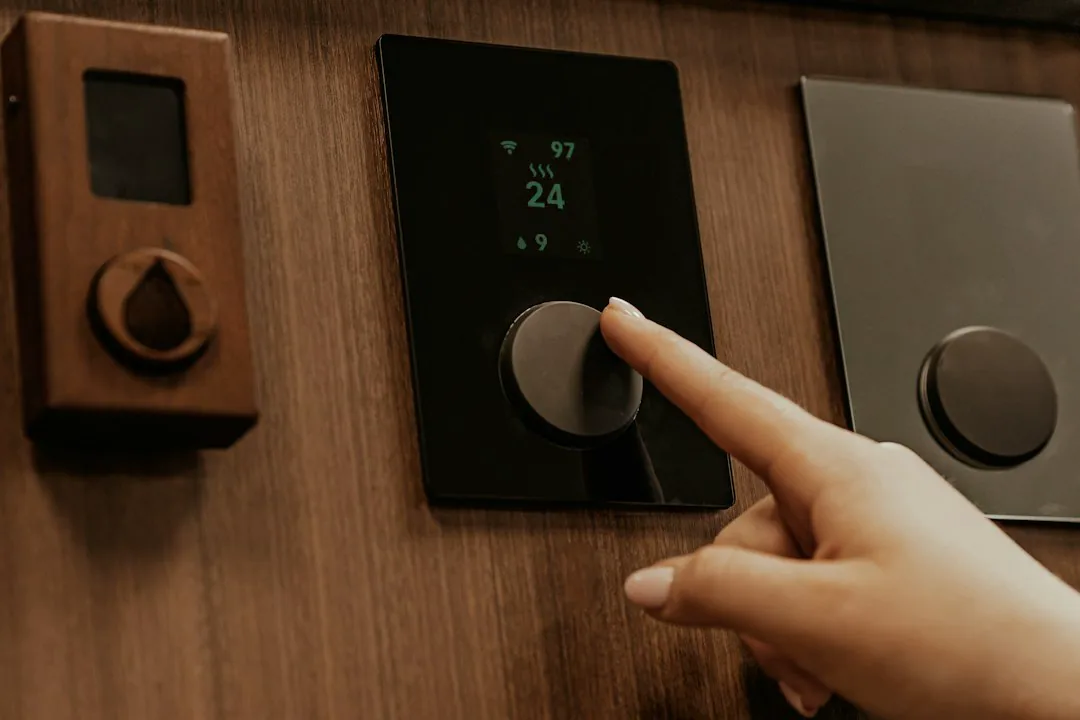
I learned this the hard way with a client's cigar cabinet a few years back. He kept it at 18°C, same as always, but his spare room got down to 12°C in January. The cabinet's humidifier ran almost continuously trying to keep 70% RH, condensation formed on the inner glass, and he ended up with mold on a few boxes. Nothing wrong with the unit—wrong settings for the season.
Recommended Winter Temperature Settings
For Wine Storage
If you're storing wine, keep your cabinet between 12°C and 14°C year-round. In winter, resist the temptation to let it drift colder just because "wine likes cool." The problem is the swing, not the number. A cabinet fighting a 10°C room to hold 13°C will cycle its heater more often, and frequent temperature fluctuation is what actually damages wine over time. Also, make sure the cabinet isn't sitting against an exterior wall—cold radiating through the wall creates uneven temperatures front to back.

For Cigars and Tobacco
Cigar folks, aim for 18°C to 20°C in winter, maybe a touch lower than summer. Spanish cedar holds moisture differently when the cabinet interior is warmer than the surrounding air, and every time you open the door in a cold room, you get condensation risk. Dropping the setpoint by a degree or two in winter dramatically reduces that shock.
For Plants, Reptiles, and Sensitive Equipment
For propagation chambers or habitat enclosures, the general rule I follow is this: keep the internal temperature at least 6–8°C above the room's minimum winter temperature. If your room hits 15°C at night, don't set the cabinet below 22°C. The smaller that gap, the more stable your conditions and the longer your equipment lasts.
Getting Winter Humidity Right
Humidity is where winter really bites. Indoor heating drops ambient RH to 25–35% in most homes, and your cabinet's humidifier suddenly has to add far more moisture than it did in summer. Two things happen: your water reservoir empties faster (check it weekly in winter, not monthly), and mineral buildup on ultrasonic elements accelerates. I tell every client to switch to distilled or demineralized water from November through March. It's a few dollars that saves a humidifier.
As for actual setpoints: wine cabinets want 55–70% RH, cigars 65–70%, and plant propagation chambers typically 60–80% depending on species. One important winter adjustment—lower your target slightly if you notice condensation on the glass. Condensation means the inner surface temperature is at or below the dew point, and that's how mold and water damage start. A stable 65% beats a fluctuating 70% every single time.
Common Winter Mistakes I See Constantly
The biggest one: placing the cabinet near a radiator or heat vent. People think keeping the room warm helps, but radiant heat on one side of the cabinet creates a temperature gradient inside that no control system can fully fix. Second mistake: sealing the room too tightly. Constant climate cabinets need some ventilation for their compressors and dehumidification cycles to function properly. Third: ignoring calibration. Sensors drift, and a unit that was accurate in July might be off by 2–3% RH by December. A cheap calibrated hygrometer sitting inside the cabinet is worth its weight in gold—check it monthly.
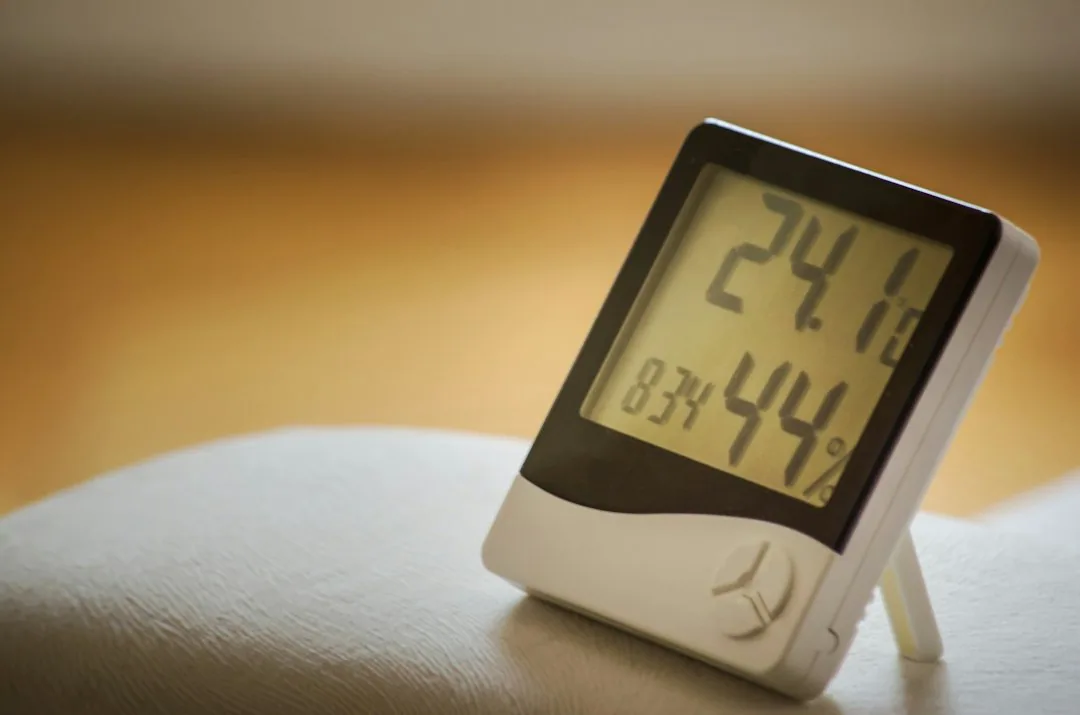
And please, don't crank settings up dramatically to "compensate" for winter. I've seen people set humidity to 80% because the cabinet seemed dry, only to saturate everything once the humidifier caught up. These systems have lag. Change settings in small increments, wait 24 hours, then reassess.
My Simple Winter Checklist
Before the cold weather settles in, I run through this routine on every cabinet I maintain: verify the room stays above 12°C, check the door gasket seals (cold weather makes rubber gaskets stiff and leaky), top up and clean the water reservoir, confirm sensor calibration against a reference hygrometer, and adjust setpoints down by 1–2 degrees where appropriate. Takes twenty minutes, prevents 90% of the winter problems I get called about.
A constant climate cabinet is only as good as its environment. Work with winter, not against it, and your cabinet—plus whatever's inside—will come through just fine.
参考链接
- Ideal Wine Storage Temperature and Humidity Guidelines
- How to Maintain Proper Humidity in a Cigar Humidor Cabinet During Winter
- Calibrating Hygrometers for Accurate Climate Cabinet Readings
- Seasonal Maintenance Tips for Constant Climate and Environmental Chambers
- Preventing Condensation and Mold in Home Humidity-Controlled Storage