How to Get Rid of Small Black Bugs in Stored Rice at Home and Prevent Them from Coming Back
I've been working in the rice industry for over fifteen years, and if I had a dollar for every panicked phone call I've gotten from a friend saying "there are tiny black bugs in my rice, do I have to throw it all away?" — well, I could retire comfortably. The good news I always give them: those little black bugs in rice are almost certainly rice weevils, they're harmless to humans, and with the right approach you can deal with rice weevils in stored rice without tossing your entire pantry. Let me walk you through exactly how I handle this, both professionally and in my own kitchen.
First, Identify What You're Actually Dealing With
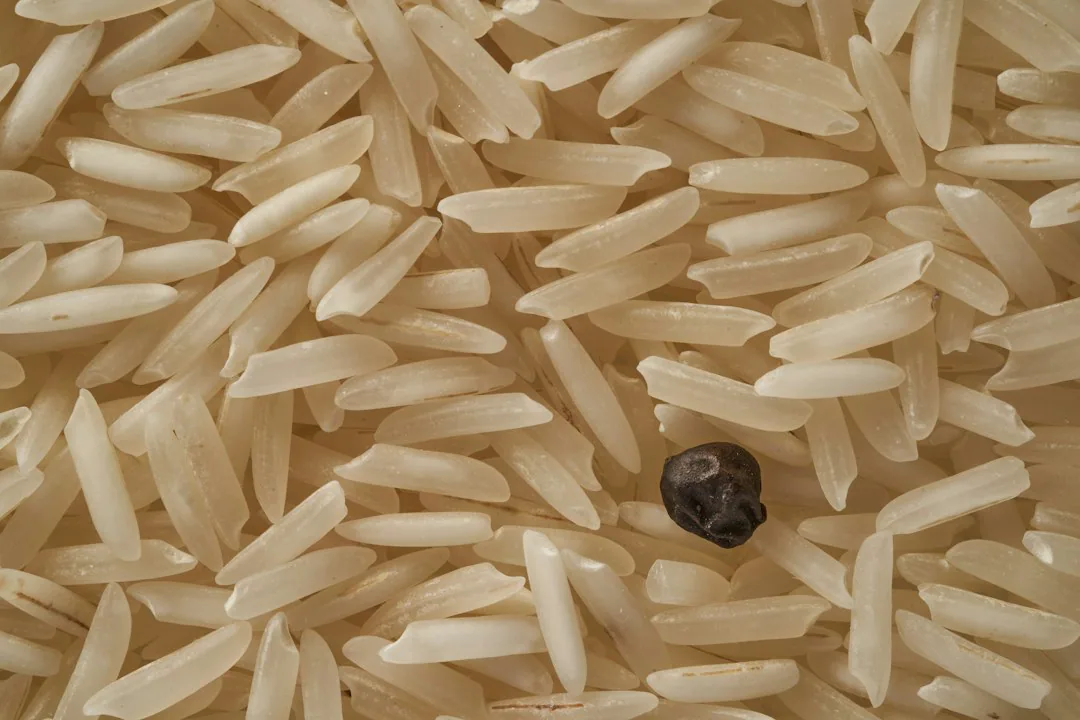
Before you panic, take a close look. The most common culprits are rice weevils — small black or dark brown beetles, about 2 to 4 millimeters long, with a distinctive elongated snout. If you look carefully (a magnifying glass helps), you might spot two faint light spots on their wing covers.
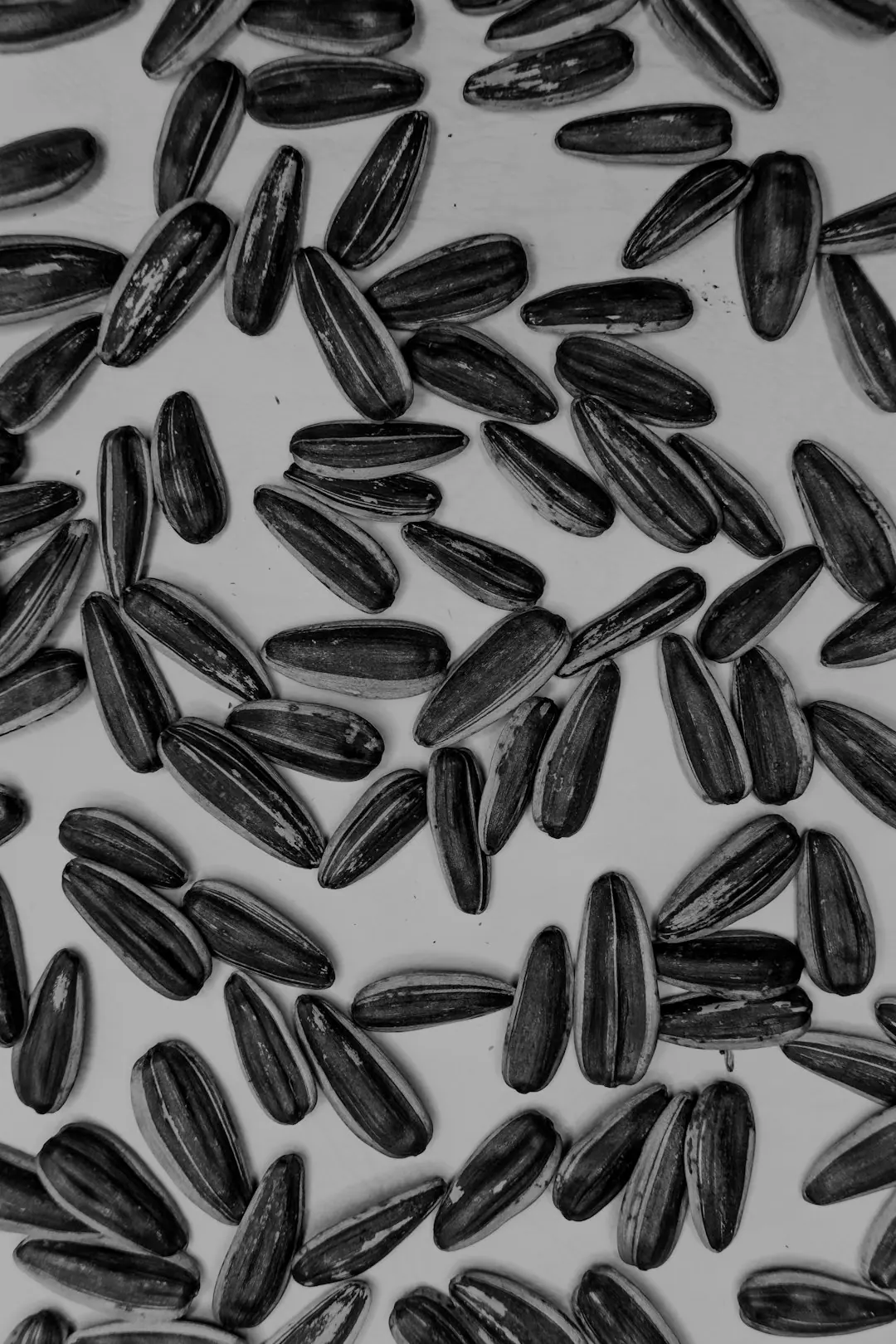
The other common offender is the lesser grain borer, which is more cylindrical and reddish-brown to black. Both of these pests do the same thing: they bore into rice kernels, lay eggs inside, and their larvae develop within the grain itself. That's why you sometimes see bugs "emerging" from rice that looked perfectly clean when you bought it — the eggs or larvae were already inside the kernels.
Here's something most people don't realize: those bugs are not a sign your house is dirty. In my experience inspecting storage facilities, weevil eggs often arrive in the rice from the packaging stage. They're incredibly common in rice from grocery stores all over the world.
Step-by-Step: How to Remove Bugs from Rice
Option 1: The Freezer Method (My Personal Favorite)
When I find weevils at home, this is what I do first. Place the entire bag of rice in a freezer bag — seal it well — and freeze it at 0°F (-18°C) for at least four days. This kills weevils at every life stage: adults, larvae, and eggs. I once had a 25-pound bag of jasmine rice with a mild infestation, froze it for a week, and after rinsing, it cooked up perfectly fine. No waste.
Option 2: Sun-Drying or Oven Heating
If freezer space is limited, spread the rice on a baking sheet in a thin layer and heat it in the oven at around 130°F (55°C) for an hour or so. You can also sun-dry rice in hot climates — weevils will crawl out and escape the heat. Just note that heat treatment may kill the bugs but leave dead ones behind, so rinsing is essential afterward.
Option 3: Rinse and Float
For lighter infestations, simply rinsing the rice several times works. Bug-damaged kernels and many adult weevils float to the surface, where you can skim them off. Repeat two or three times until the water runs clean. This is how my grandmother dealt with rice bugs her whole life, and honestly, it still works.
Should You Throw the Rice Away?
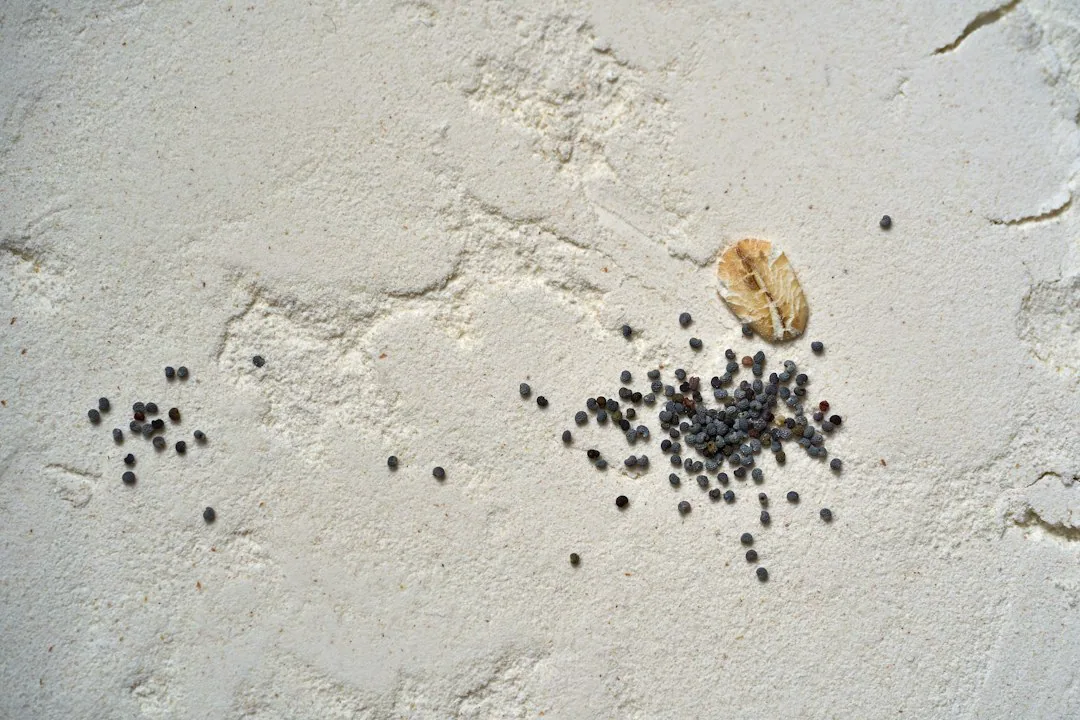
This is the question I get most. My honest answer: if the infestation is light — a few visible bugs, no webbing, no musty smell — the rice is safe to eat after treatment and rinsing. Weevils don't carry diseases harmful to humans. However, if the rice smells sour or musty, has visible mold, or has turned powdery (a sign of heavy internal damage), discard it. That rice is compromised, and no amount of rinsing fixes flavor that's gone off.
Clean Your Entire Storage Area — This Step Is Non-Negotiable
Killing the bugs in the rice is only half the job. Weevils travel, and they'll happily set up camp in your flour, oats, pasta, or even the cracks of your pantry shelf. After any infestation, empty the entire cabinet or pantry, vacuum every corner and crevice, and wipe all surfaces down with white vinegar or soapy water. Pay special attention to the undersides of shelves — adult weevils love hiding there.
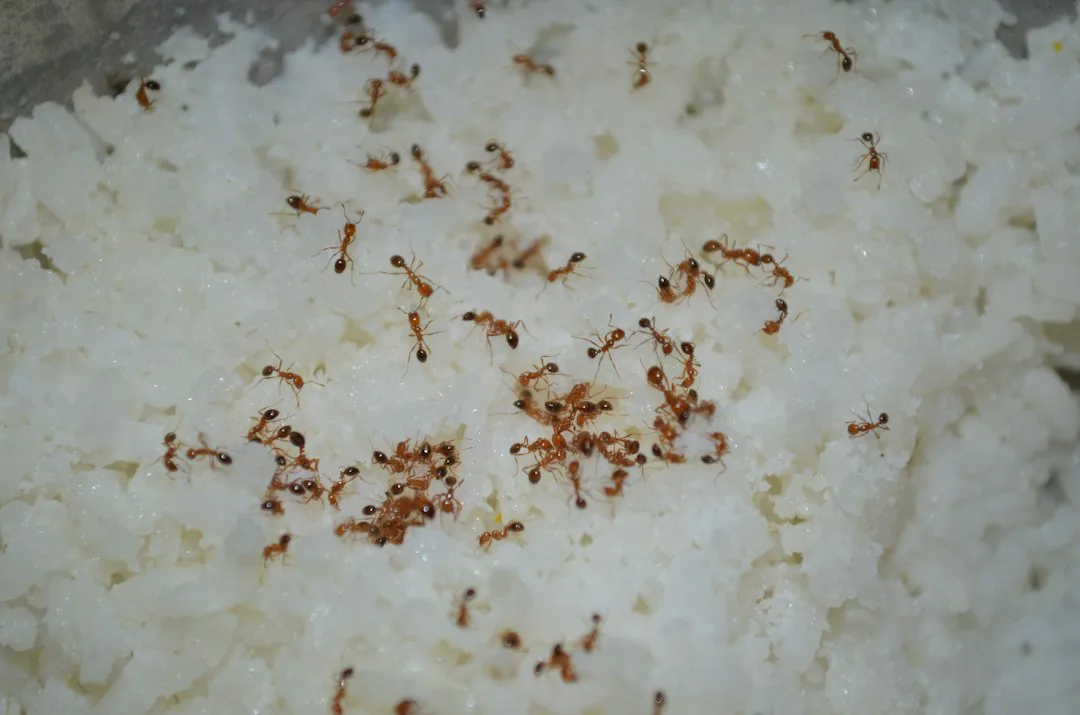
I learned this lesson the hard way years ago. I treated the rice, put it back in the same container, and two weeks later the bugs were back. Why? Because I never cleaned the container itself. Any container that held infested rice should be washed with hot soapy water and fully dried before reuse.
Prevention: How to Keep Bugs Out of Rice for Good
Freeze New Rice When You Bring It Home
This is my number one prevention tip and the one I give everyone. Freeze any newly purchased rice for four to seven days before storing it normally. This kills any eggs hiding inside the kernels before they ever hatch. It takes zero effort and prevents the entire problem.
Store Rice in Airtight Containers
Glass jars, food-grade buckets with gasket lids, or heavy-duty airtight plastic containers all work. Weevils can chew through paper and plastic bags easily, but a proper sealed container stops them from spreading between products and contains any infestation to a single batch.

Add Natural Deterrents
Bay leaves, dried chili peppers, garlic cloves, and neem leaves are traditional deterrents used across Asia for generations. Do they work as well as freezing? No. But scattered in and around your storage containers, they can discourage weevils, and they certainly don't hurt. Some of my colleagues also swear by food-grade diatomaceous earth mixed into stored rice — it's effective and completely food-safe in small quantities, though it does require rinsing before cooking.
Buy Smaller Quantities and Rotate Stock
Unless you cook rice daily for a large family, don't stockpile 50-pound bags. Buy what you'll use within one to two months. Rice sitting in a warm cabinet for six months is a weevil's dream home. Store rice in a cool, dry place — below 70°F (21°C) if possible — because weevil reproduction slows dramatically at cooler temperatures.

The Bottom Line
Finding small black bugs in your rice isn't a disaster. Freeze it, rinse it, clean your pantry, and switch to airtight storage — that's the entire playbook. After fifteen years in this business, I can tell you that every household deals with weevils eventually, even professional storage facilities. What separates a one-time annoyance from a recurring problem is simply whether you treat the whole storage environment, not just the rice itself. Follow these steps, and you'll likely never see a weevil in your kitchen again.
参考链接
- Rice Weevil Identification and Biology Guide – Penn State Extension
- How to Control Pantry Pests in Stored Grains – University of Minnesota Extension
- Safe Home Food Preservation: Freezing Grains to Kill Insects – USDA Guidance
- Preventing Stored Product Beetles in the Kitchen – NC State Extension
- Long-Term Rice Storage Best Practices for Households – Utah State University Extension